When to Start Planning a Wedding: The Complete Timeline Guide for Couples
One of the very first questions newly engaged couples ask is when to start planning a wedding.
Wedding planning typically commences 12 to 18 months prior to the desired date. This lead time is necessary to secure high-demand venues and preferred vendors, which often book a year in advance. The process begins with establishing a budget and guest count, followed by the selection of a season or specific date.
Couples opting for a shorter engagement of 6 months or less generally require more flexible choices regarding locations and availability to ensure a successful event.
If you’re wondering when to start planning a wedding and how early is too early (or too late), this comprehensive guide will walk you through everything you need to know — from ideal planning timelines to factors that can shift your schedule.
Contents
- Why Timing Matters in Wedding Planning
- The Ideal Timeframe: 12–18 Months Before the Wedding
- Planning Timeline Breakdown
- Can You Plan a Wedding in Less Than a Year?
- Factors That Affect When to Start Planning a Wedding
- Is There Such a Thing as Planning Too Early?
- Signs You Should Start Planning Right Away
- Emotional Readiness Matters Too
- The Benefits of Starting Early
Why Timing Matters in Wedding Planning
Your wedding is one of the most significant events you’ll ever organize. It involves coordinating vendors, securing venues, managing a budget, inviting guests, and handling countless small details.
Starting too late can limit your options and increase stress. Starting too early without a plan can lead to burnout or changing decisions multiple times. The key is striking the right balance.
The Ideal Timeframe: 12–18 Months Before the Wedding
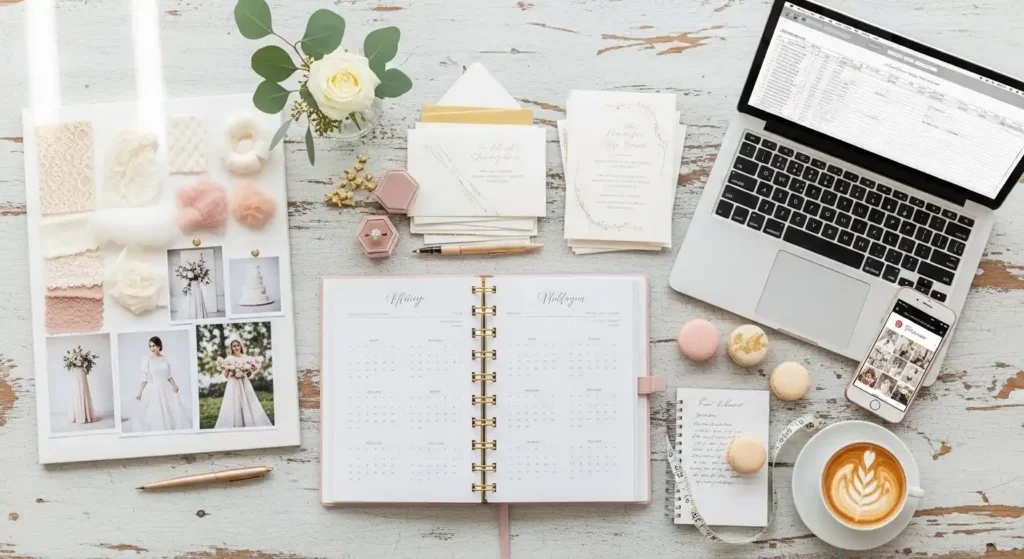
For most couples, the sweet spot is 12 to 18 months before the wedding date.
This timeline allows you to:
- Secure your dream venue (popular venues book up 12–24 months in advance)
- Lock in top vendors (photographers, planners, caterers)
- Spread out expenses
- Enjoy the engagement without feeling rushed
- Have flexibility with guest travel and accommodations
If you’re newly engaged and unsure when to start planning a wedding, beginning within a month or two after the proposal is generally a good rule of thumb.
Planning Timeline Breakdown
Here’s a detailed breakdown of what you should focus on depending on how far out your wedding is.
18–24 Months Before
Ideal for: Destination weddings, peak-season weddings, or highly sought-after venues.
At this stage, you should:
- Set a preliminary budget
- Discuss your wedding vision and priorities
- Draft a rough guest list
- Research and tour venues
- Book your venue (this sets your official date)
- Hire a wedding planner (if desired)
Booking early ensures availability, especially if you’re getting married during peak wedding season (typically spring and fall).
12–15 Months Before
This is when planning really gains momentum.
Focus on:
- Securing major vendors (photographer, videographer, caterer, band/DJ)
- Choosing your wedding party
- Shopping for wedding attire (dresses can take 6–9 months to arrive)
- Sending save-the-dates (especially for destination weddings)
- Creating a wedding website
By this point, your core vision should be taking shape.
9–12 Months Before
Details begin to matter more now.
Tasks include:
- Finalizing your color palette and theme
- Booking florists and rental companies
- Planning engagement photos
- Starting registry setup
- Researching honeymoon options
This is also a good time to revisit your budget and adjust if needed.
6–8 Months Before
Now you’re moving into the detailed planning phase.
- Order wedding invitations
- Schedule tastings with caterers
- Finalize ceremony details
- Arrange transportation
- Book hotel blocks for guests
- Purchase wedding rings
If you’re asking when to start planning a wedding and only have 6–8 months, don’t panic — you can still have an amazing celebration with focused planning.
3–5 Months Before
The wedding starts to feel real.
- Send out invitations
- Schedule dress fittings
- Finalize décor decisions
- Confirm vendor contracts
- Plan seating arrangements
Organization becomes critical during this period.
1–2 Months Before
Now it’s all about confirming details.
- Confirm final guest count
- Finalize timeline with vendors
- Apply for your marriage license
- Break in wedding shoes
- Prepare vendor payments and tips
At this point, most major decisions should already be made.
Can You Plan a Wedding in Less Than a Year?
Absolutely. Many couples successfully plan weddings in 6–9 months — or even less.
However, you may need to:
- Be flexible with dates
- Choose from available venues rather than specific dream venues
- Trim the guest list
- Simplify décor
- Opt for off-season or weekday weddings
Shorter timelines often mean quicker decisions and fewer second guesses — which can actually reduce stress for some couples.
Factors That Affect When to Start Planning a Wedding
While 12–18 months is standard, your situation may call for more or less time.
1. Venue Availability
Popular venues often book up years in advance. If you have a specific location in mind, start early.
2. Destination Weddings
These require additional coordination for travel, guest accommodations, and legal paperwork. Starting 18–24 months ahead is ideal.
3. Budget Planning
If you’re saving as you go, a longer engagement allows you to spread costs out more comfortably.
4. Custom Elements
Custom gowns, tailored suits, handmade décor, and specialty vendors require extra time.
5. Guest Travel Needs
If many guests are traveling from out of town, early notice helps them secure affordable flights and accommodations.
Is There Such a Thing as Planning Too Early?
It’s rare — but possible.
If you begin planning more than two years in advance:
- Your tastes might change
- Vendor pricing may shift
- Trends may evolve
- You might feel planning fatigue
Instead of diving into detailed decisions too early, focus on big-picture elements first: budget, venue, and general vision.
Signs You Should Start Planning Right Away
You should begin planning immediately if:
- You want a specific, high-demand venue
- You’re planning a peak-season wedding
- You’re organizing a large guest list (150+)
- You’re coordinating multiple locations
- You’re incorporating cultural or religious ceremonies that require special preparation
Waiting too long in these cases could limit your options.
Emotional Readiness Matters Too
Planning a wedding isn’t just logistical — it’s emotional.
Before jumping in, make sure you and your partner have discussed:
- Budget expectations
- Guest list boundaries
- Family involvement
- Overall wedding priorities
Starting planning when you’re emotionally aligned makes the process smoother and more enjoyable.
The Benefits of Starting Early
If you’re still wondering when to start planning a wedding, consider the benefits of giving yourself plenty of time:
- Less stress
- More vendor options
- More time to compare prices
- Easier budgeting
- Greater flexibility
- Better guest accommodations
Starting early allows you to make thoughtful decisions rather than rushed ones.