When Do You Have a Baby Shower? Plan the Perfect Timing
You’ve got the glitter, you’ve got the cake, but when exactly is a baby shower supposed to happen?
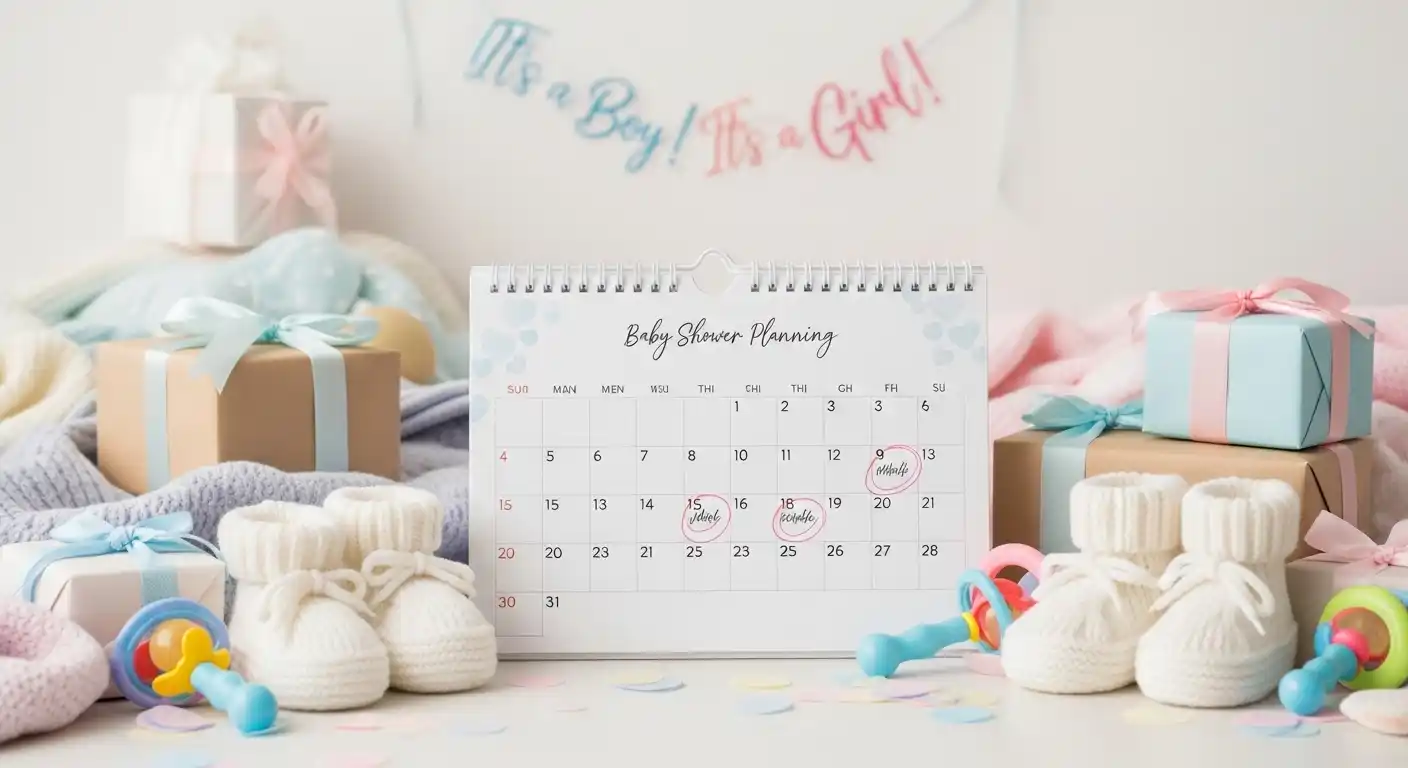
A baby shower is typically held during the third trimester, most commonly between the 28th and 35th weeks of pregnancy. This timing ensures the expectant parent is comfortable yet far enough along to celebrate. Earlier dates are often selected for multiple births to account for potential early delivery.
Let’s cut to the chase: timing is everything, and the right moment makes the party feel joyful, not chaotic. Here’s the down-to-earth guide you actually want to plan something memorable.
Contents
- So, when do you actually have a baby shower?
- Consider the pregnancy timeline
- Who should host, and how many showers are too many?
- Public vs. intimate showers
- Timing logistics: weekends vs. weekdays
- Theme, style, and vibe: what feels right for the parents?
- Gift etiquette without the stress
- Planning tips that actually work
- Conclusion
- FAQ
So, when do you actually have a baby shower?
If you’ve ever asked this aloud, you’re not alone. There isn’t a universal rulebook, and that’s half the fun. People throw showers at different stages for different reasons.
The gist: you want the parents-to-be to feel celebrated, not overwhelmed, and you want gifts that the baby—or the parents—will actually use.
Consider the pregnancy timeline
Pregnancy milestones shape the vibe of the shower. Some folks wait until the 28-week mark when the baby bump is noticeable but the risk of complications is lower.
Others prefer after the 32-week point when mom isn’t carrying a mortgage on her bladder anymore. There’s no “wrong” moment, just what makes sense for the parents.
Pros of hosting earlier
- Gives everyone time to plan around schedules before the chaos of newborn life hits.
- Parents can pick out nursery must-haves with input from friends and family.
- Less physical strain for mom if she’s cruising through the second trimester energy spike.
Pros of hosting later
- Mom and partner get a sense of what they actually need (and what they don’t).
- Gifts can be more practical and tailored to the baby’s stage—clothes, diapers, etc.
- Gives the couple time to settle into parenthood, so ideas feel spot-on.
Who should host, and how many showers are too many?
The “who” part sets the vibe. A close friend group, a sister, or the baby’s grandparents often take the lead. In some families, co-hosts split duties and make planning a team sport.
The number of showers? Less is more unless you’ve got a big circle and a need to celebrate every single milestone.
People who usually host
- Best friend or sister who knows the couple’s taste.
- Grandparents who want to sprinkle joy from multiple generations.
- Colleagues or upcoming godparents who want to contribute in a meaningful way.
When is it too many?
- Two or more showers for the same baby can feel overwhelming if they aren’t thoughtfully spaced.
- Skipping gifts that feel excessive or repetitive helps keep the vibe chill.
Public vs. intimate showers

Think about who you want to attend and how private you want the vibes to be. A big, public shower can be a mini party with a guest list that fills a dented coffee mug, while a small, intimate gathering feels like a cozy brunch with your nearest and dearest.
Public shower perks
- More people to celebrate the growing family.
- More hands on deck for setup, games, and host duties.
Intimate shower perks
- Less pressure, more meaningful conversations.
- Gives you space to customize themes and personal touches.
Timing logistics: weekends vs. weekdays
Weekends win for most baby showers because life’s logistics calm down a notch. Weekdays can work if you’re aiming for a low-key brunch or after-work gathering.
The key is to pick a time that minimizes mom’s fatigue and maximizes guest attendance.
Weekend strategies
- Late morning or early afternoon tends to be the sweet spot.
- Provide flexible RSVP windows to accommodate different schedules.
Weekday options
- Lunch around work breaks can be chic and easy.
- Evening gatherings after dinner let guests wind down the day together.
Theme, style, and vibe: what feels right for the parents?
A shower should reflect the couple’s style, not a Pinterest board you secretly hate. Do they love bold colors or soft pastels?
Practical, funny, or sentimental? The theme can be as simple as a color palette or as detailed as a “books, not baby clothes” vibe.
Simple and classic
- Neutral colors, light decor, practical gifts.
- Games that aren’t marathon-length and don’t require a PhD to understand.
Playful and personal
- Games that reveal baby quirks or parents’ stories.
- Customization with the couple’s favorite foods and songs.
Gift etiquette without the stress
Gifts are the heart of the party, but nobody wants to feel overwhelmed trying to figure out the registry. Here’s a sane approach.
What to give
- Essentials: diapers, wipes, clothing in a growing size.
- Nursery gear based on the registry or mom’s current needs.
- Non-toxic, practical items that last—prefer quality over quantity.
How to handle the registry
- Link to the registry in invitations or the event page so guests can shop with confidence.
- Suggest a mix of small and larger gifts to accommodate different budgets.
Planning tips that actually work
Let’s get practical. You want a plan that’s doable, not a stress test.
Host checklists
- Set a realistic guest list with your budget in mind.
- Lock a venue, date, and time early, then invite people with a clear RSVP deadline.
- Assign roles: someone brings games, someone handles food, someone captures photos.
Party-flow ideas
- Keep games short and optional; you can always swap to social time.
- Schedule a gift-opening moment only if the parents want it—otherwise, skip it and keep the energy high.
- End with a toast and a little love note for the baby and parents.
Conclusion
Shower timing isn’t a science so much as a shared preference. By aligning with the parents’ needs, the season of pregnancy, and the group’s energy, you create a celebration that feels warm, not chaotic.
FYI, the best showers I’ve attended were the ones where the planning was thoughtful, the vibe was relaxed, and the gifts were genuinely useful. The goal: celebrate the growing family in a way that leaves everyone smiling, not exhausted.
FAQ
When is the best time to have a baby shower?
The best time is when the parents feel comfortable and energized. Common windows are the 26- to 34-week range of pregnancy, but you should tailor it to what’s practical for the couple and their circle. The key is to avoid late-pregnancy fatigue or newborn chaos hijacking the moment.
Can dad-or-partner involvement be part of the shower?
Absolutely. Co-ed showers or couples’ events are growing in popularity. They let both parents feel included and keep the celebration balanced. Just make sure the guests know what to expect in terms of activities and tone.
Is it rude not to open gifts at the shower?
Nope. If the parents want to skip the gift-opening, that’s fine. It can be exhausting for the mom-to-be and her energy levels. You can do a quick thank-you round or a fun reveal instead to keep the momentum going.
What if I don’t know the registry well enough?
Ask a few polite questions, check in with a friend or family member who knows the couple well, or choose universally useful items (diapers, wipes, lactation supplies, cozy blankets). It’s OK to default to practical, widely-loved gifts.
Do I need a theme?
Not necessary, but a cohesive theme can simplify invitations, decor, and gifts. If you pick one, keep it low-pressure and easy to execute. IMO, simple color palettes or nursery-inspired motifs often look polished without stressing the host.
What’s the most underrated shower element?
Food. A well-timed snack or light bites go a long way toward keeping guests comfortable and conversations flowing. Hydration is key too—nobody wants to deal with cranky, dehydrated attendees.