27 Stunning Traditional Wedding Invitations for Any Theme
Your wedding invitation is the first glimpse of your big day. With these traditional wedding invitations ideas, you can create invites that feel timeless, polished, and full of charm.
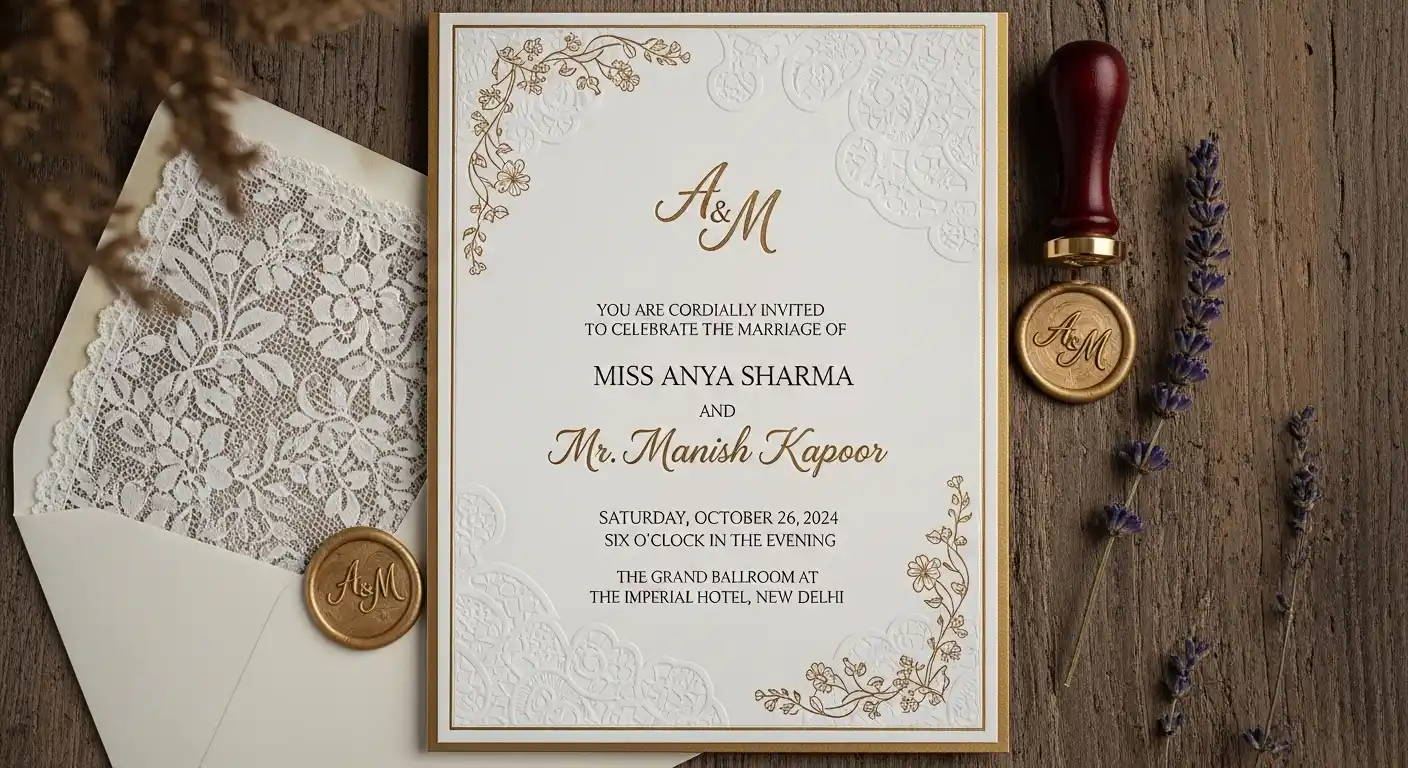
When my sister showed me her wedding invitation mockups, I realized how much thought goes into creating something timeless.
She wanted traditional invitations, but not stiff or boring—something that felt elegant, warm, and perfectly suited to her big day.
It reminded me of kitchen lighting: you can have the most luxurious countertops, but the right pendant or fixture pulls the whole room together.
Traditional wedding invitations do the same—they set the tone.
The right choice of paper, font, and subtle details can convey elegance, anticipation, and personality all at once.
Even a single embossed border or ribbon can elevate the design to unforgettable.
Below, I’ll guide you through ideas and tips for creating traditional wedding invitations that are classic, beautiful, and full of thoughtful details your guests will cherish.
Contents
- The Essentials of Traditional Wedding Invitations
- Curating Elegant Styles and Themes for Classic Wedding Invitations
- 27 Traditional Wedding Invitations Ideas
- 1. Classic White and Gold Embossed Invitations
- 2. Elegant Lace Pattern Invitations
- 3. Vintage Script Wedding Invitations
- 4. Monogrammed Traditional Invitations
- 5. Hand-Painted Watercolor Invitations
- 6. Foil-Stamped Invitations
- 7. Pocket-Style Traditional Invitations
- 8. Embroidered Invitations
- 9. Minimalist Traditional Invitations
- 10. Die-Cut Shape Invitations
- 11. Scroll-Style Invitations
- 12. Engraved Letterpress Invitations
- 13. Floral Border Invitations
- 14. Calligraphy-Focused Invitations
- 15. Colored Edge Invitations
- 16. Embossed Floral Invitations
- 17. Foil-Stamped Monogram Invitations
- 18. Wax Seal Embellished Invitations
- 19. Heritage Motif Invitations
- 20. Foil-Stamped Textured Paper Invitations
- 21. Double-Layered Invitations
- 22. Illustrated Scene Invitations
- 23. Embossed Monogram with Ribbon
- 24. Gold Foil Pattern Invitations
- 25. Traditional Envelope Liners
- 26. Multi-Fold Invitations
- 27. Nature-Inspired Traditional Invitations
- Tips for Selecting the Perfect Traditional Wedding Invitations
- How to Preserve and Store Traditional Wedding Invitations as Keepsakes
- Final Reflection
The Essentials of Traditional Wedding Invitations
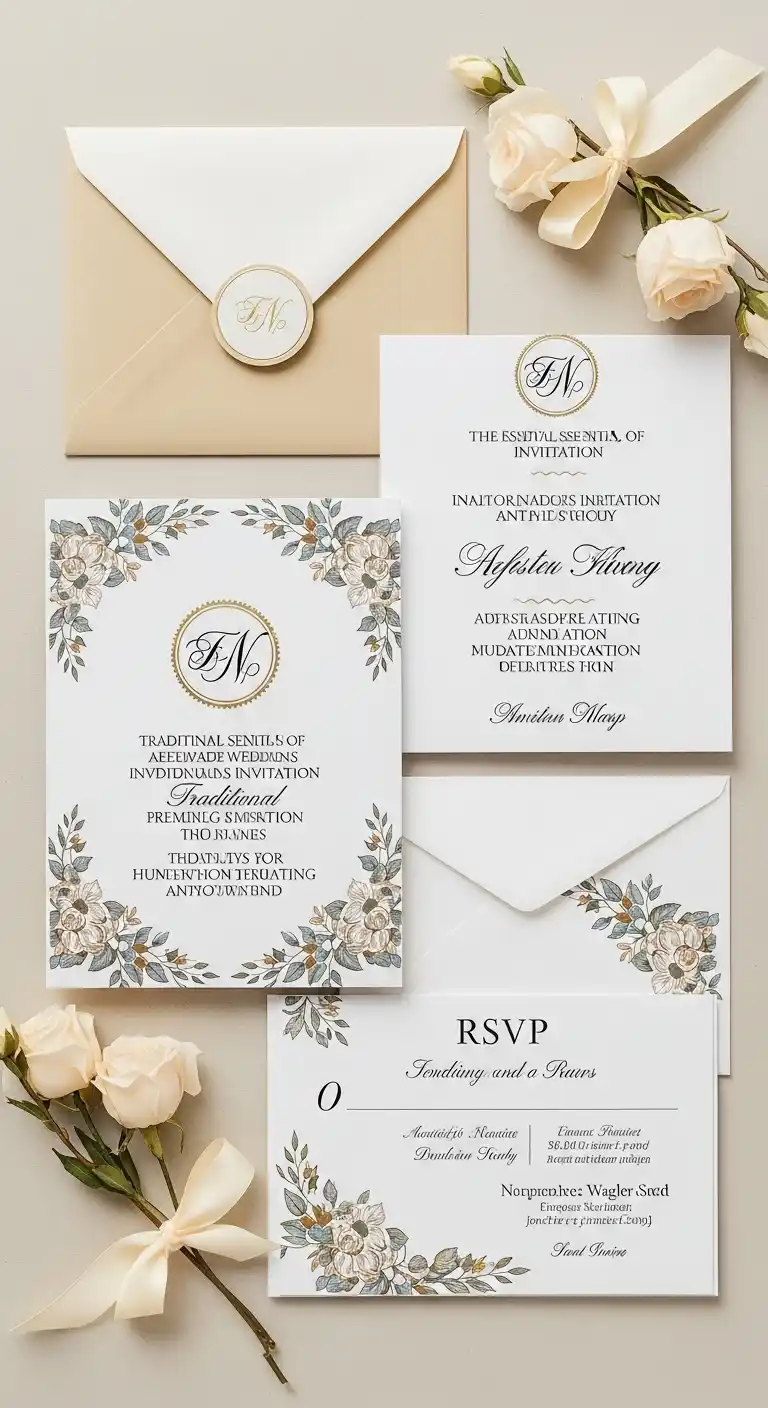
Traditional wedding invitations often feature premium quality paper, classic typography, and refined embellishments that create an air of sophistication.
Historically, these invitations have symbolized formality, elegance, and a connection to cultural heritage, making them suitable for formal weddings.
Common elements include floral motifs, elegant borders, monograms, and foil accents, each contributing to the overall sense of timeless charm.
The style communicates the level of formality to guests, ensuring they understand the type of celebration they are invited to attend.
Traditional invitations often blend artistry and practicality, incorporating inserts for RSVP cards, maps, and additional event details while maintaining a cohesive design.
Curating Elegant Styles and Themes for Classic Wedding Invitations
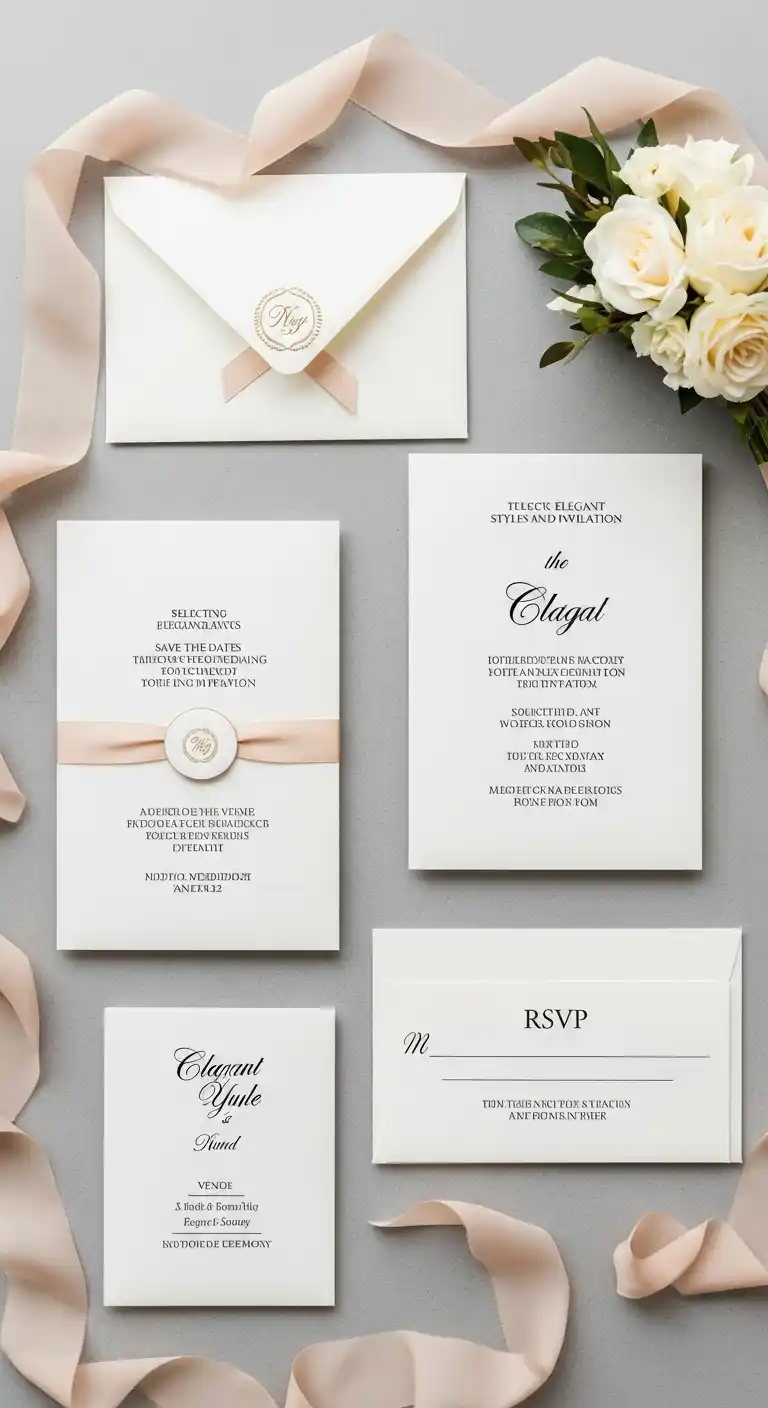
Selecting a style that complements the wedding theme enhances both the invitations’ elegance and the overall wedding experience for guests.
Colors, fonts, and design elements must coordinate with other stationery, such as save-the-dates, envelopes, and RSVP cards, to maintain consistency.
Traditional designs rely on subtlety, emphasizing classic typography, understated embellishments, and luxurious paper textures to achieve timeless appeal.
Couples should consider the venue, season, and formality when choosing their invitations, ensuring every detail contributes to a cohesive and refined impression.
A well-chosen traditional invitation communicates sophistication, sets expectations for the ceremony, and creates anticipation for the celebration itself.
27 Traditional Wedding Invitations Ideas
1. Classic White and Gold Embossed Invitations
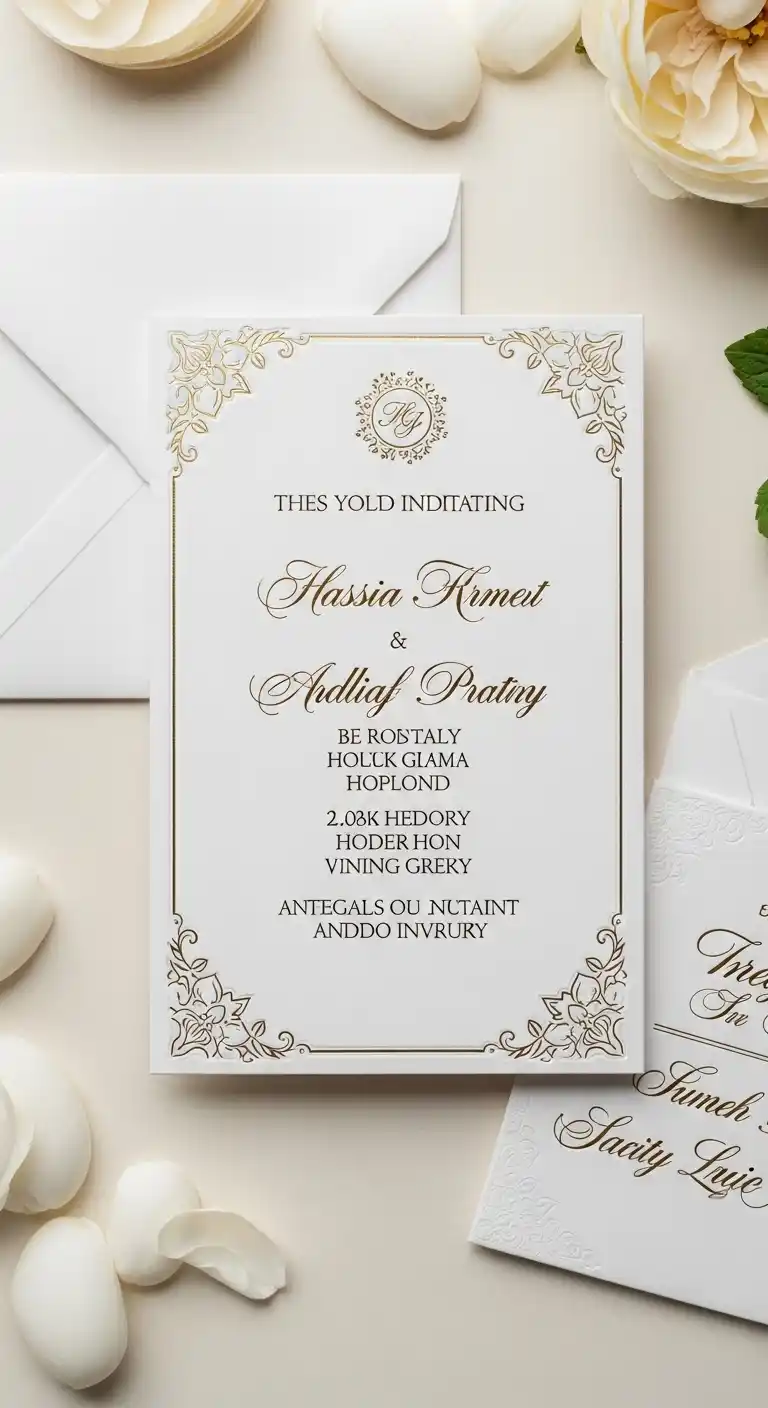
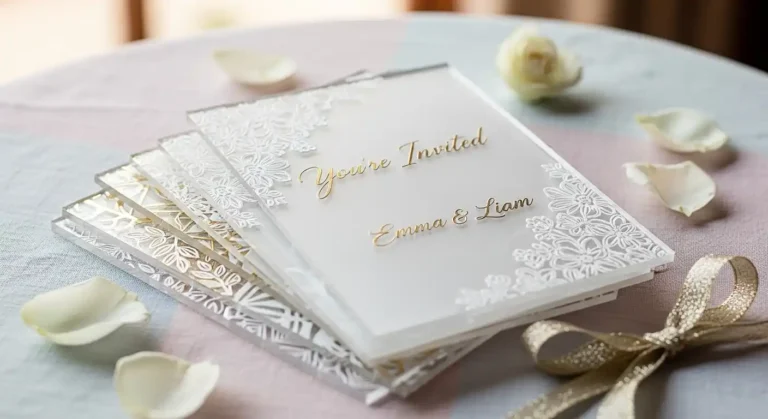
White and gold embossed invitations offer a luxurious, timeless aesthetic that complements any formal wedding ceremony.
The combination of crisp white cardstock with gold embossed lettering creates a sense of sophistication and elegance that is immediately noticeable to guests.
This style emphasizes clarity and legibility while maintaining ornate details, making it suitable for couples who want a traditional yet refined look.
Adding subtle decorative elements, such as floral borders or minimalist monograms, enhances the visual appeal without overwhelming the design.
Choosing high-quality paper ensures that the embossing remains crisp and tactile, leaving a lasting impression that guests will remember fondly.
2. Elegant Lace Pattern Invitations
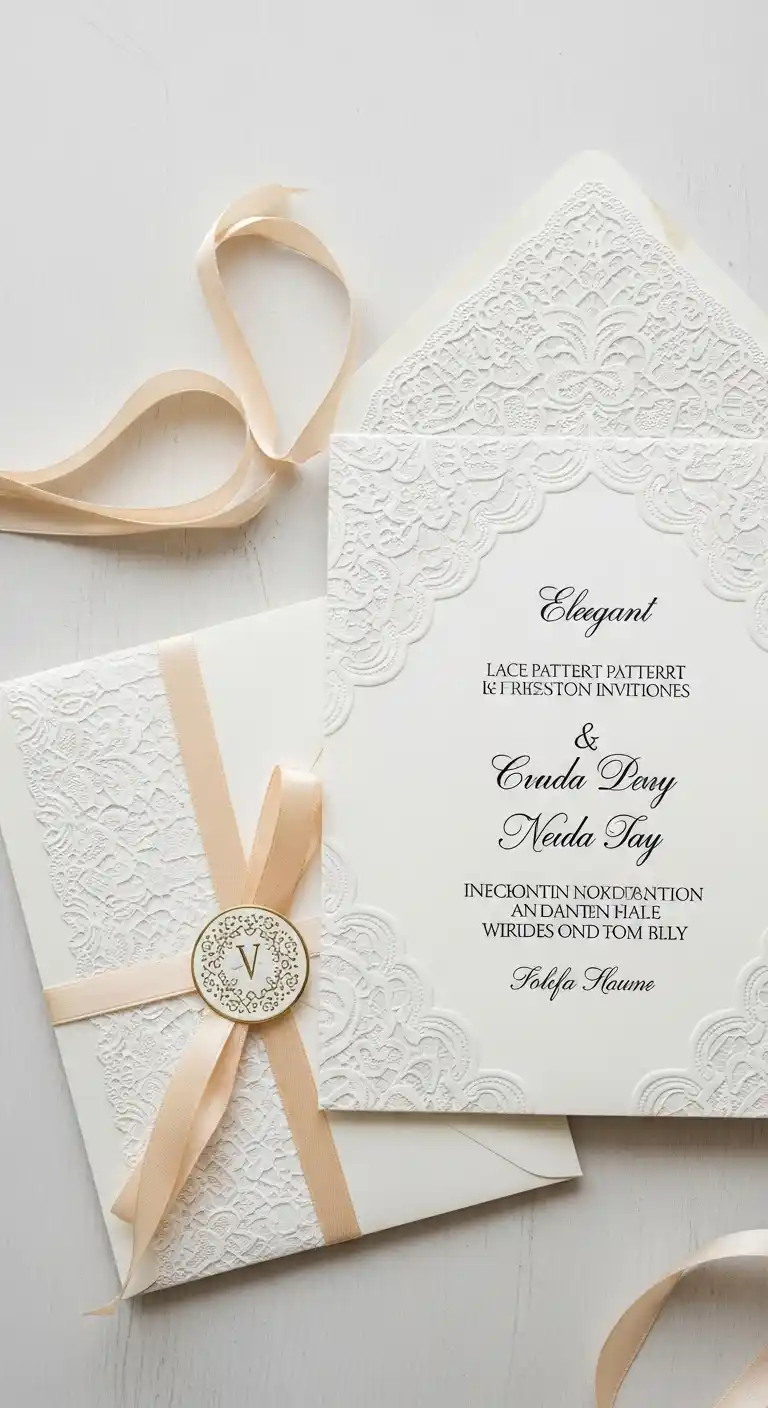
Lace pattern invitations combine delicate design with traditional elegance, creating a soft and romantic appearance that complements formal ceremonies.
Embossed or printed lace designs symbolize femininity and timeless charm, adding a textural element that makes the invitation stand out.
Couples can coordinate lace patterns with ribbons, envelope liners, or foil accents to enhance the overall aesthetic while maintaining a cohesive design.
This type of invitation works well for weddings in traditional venues, such as churches or historic estates, where refinement and detail matter most.
The subtlety of lace patterns ensures elegance while avoiding overly busy or distracting designs, keeping the focus on the important event details.
3. Vintage Script Wedding Invitations
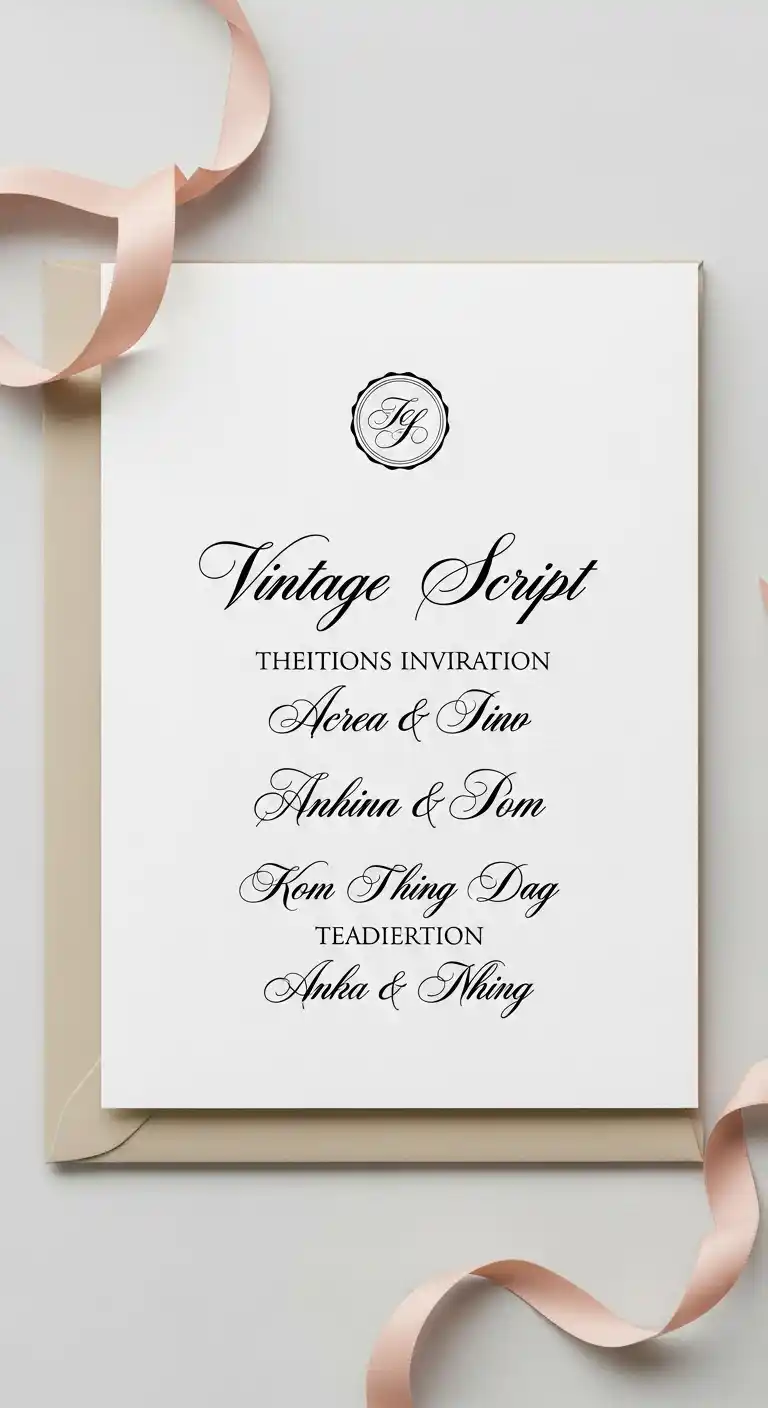
Vintage script invitations feature flowing calligraphy that conveys romance, sophistication, and a sense of history, perfect for timeless weddings.
The use of cursive fonts with ornamental swashes evokes elegance and grandeur while enhancing readability and formal appeal.
Pairing vintage scripts with textured paper or soft foil accents creates a tactile experience that emphasizes the luxurious nature of traditional invitations.
This style works especially well for couples who want their invitations to reflect historical charm while remaining readable and stylish.
Adding small decorative touches, such as monograms or minimalist borders, ensures the design remains classic and never overly elaborate.
4. Monogrammed Traditional Invitations
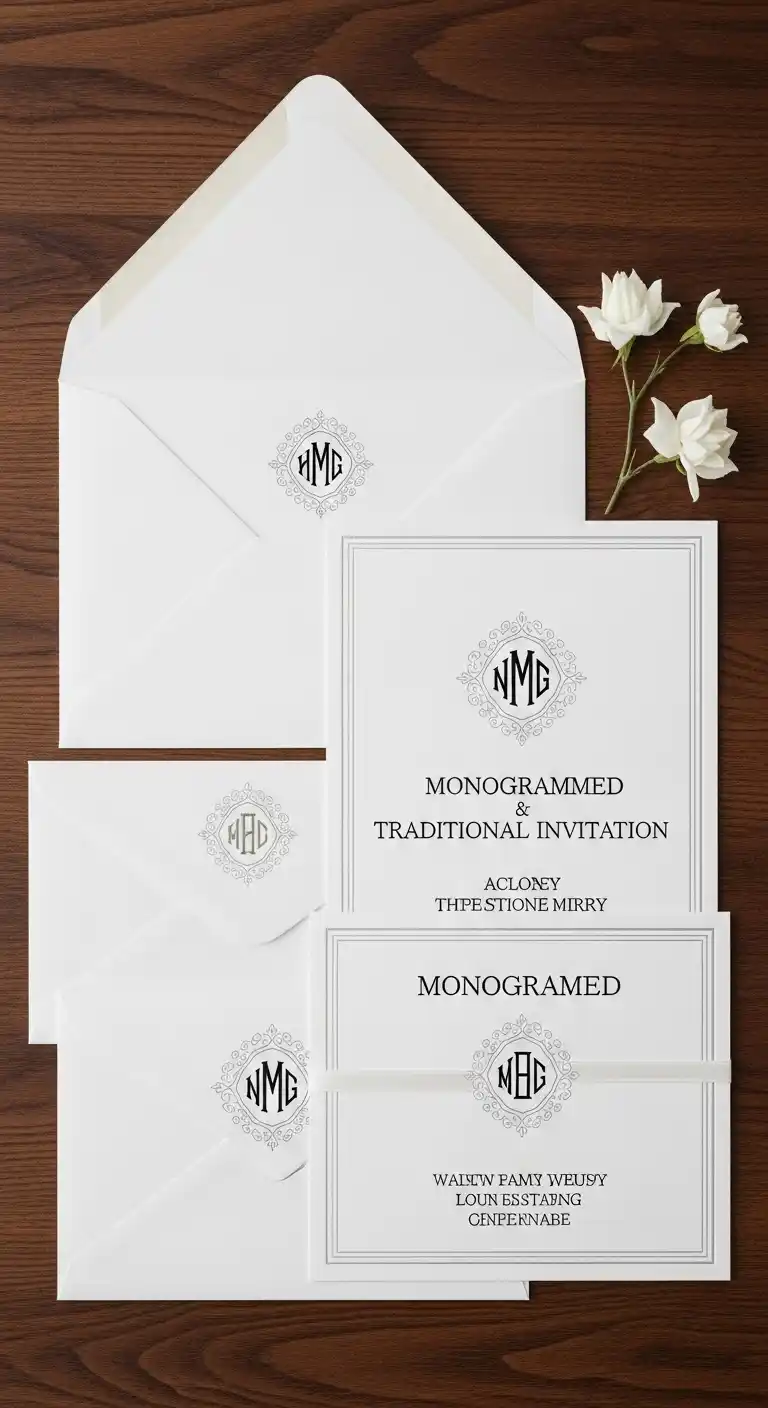
Monogrammed invitations offer personalization while keeping the design classic and elegant, focusing on the couple’s initials as the main decorative element.
Incorporating monograms into envelopes, inserts, and main cards creates a cohesive design that feels refined, timeless, and thoughtfully curated.
Adding subtle motifs or flourishes around the monogram enhances visual appeal while keeping the invitation formal and traditional.
This style is ideal for couples who want a personal touch that still reflects a classic and sophisticated wedding aesthetic.
Monogrammed designs can be paired with foil stamping, embossing, or elegant borders to achieve a polished and luxurious finish.
5. Hand-Painted Watercolor Invitations
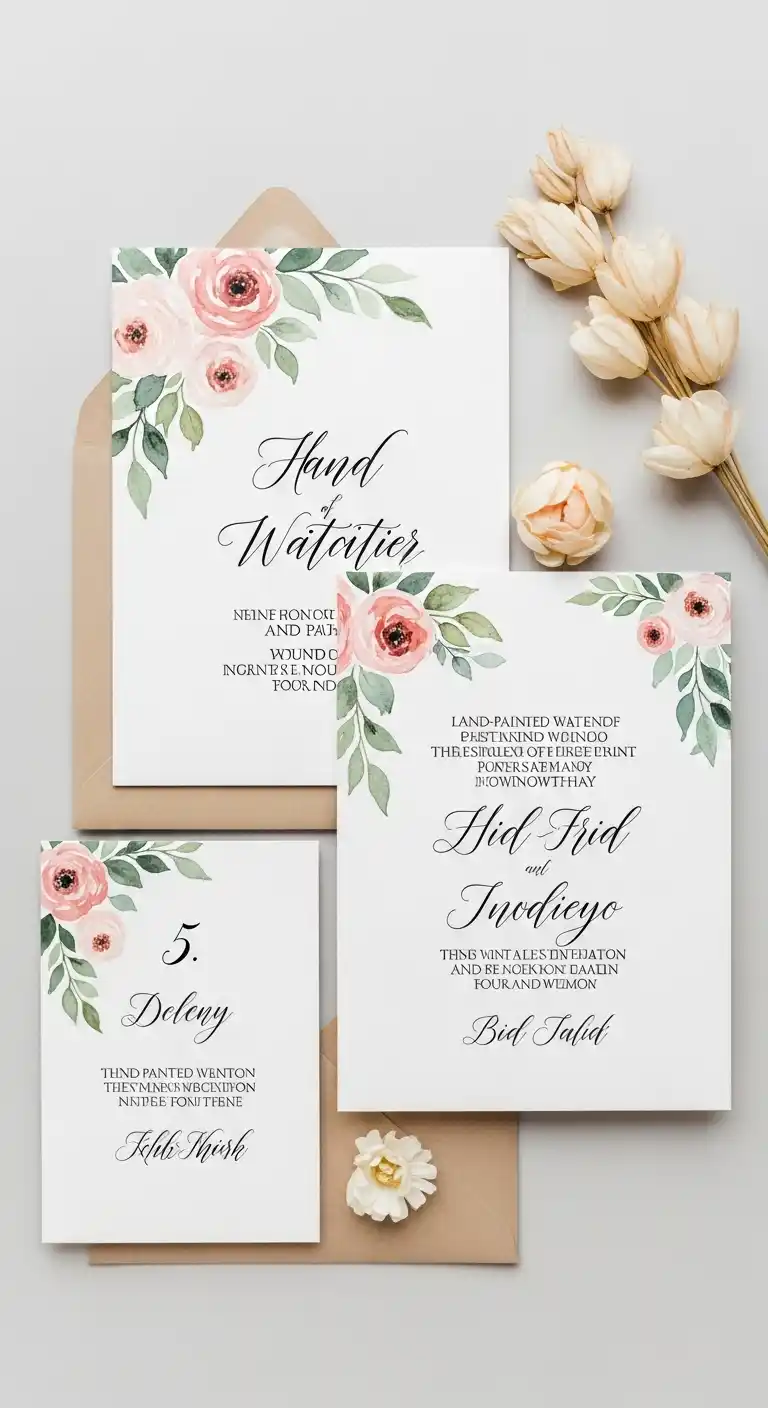
Hand-painted watercolor invitations combine artistry with traditional design, offering unique, visually captivating elements that stand out without feeling overly modern.
Subtle floral or scenic designs add personality while preserving a classic, elegant aesthetic suitable for formal weddings.
Pairing watercolor elements with high-quality paper and refined typography ensures the design remains sophisticated and harmonious.
This style is ideal for couples seeking a personal touch and artistic flair without compromising timeless elegance or readability.
Adding complementary colors and muted tones enhances cohesion with other wedding stationery, maintaining an overall polished and elegant appearance.
6. Foil-Stamped Invitations
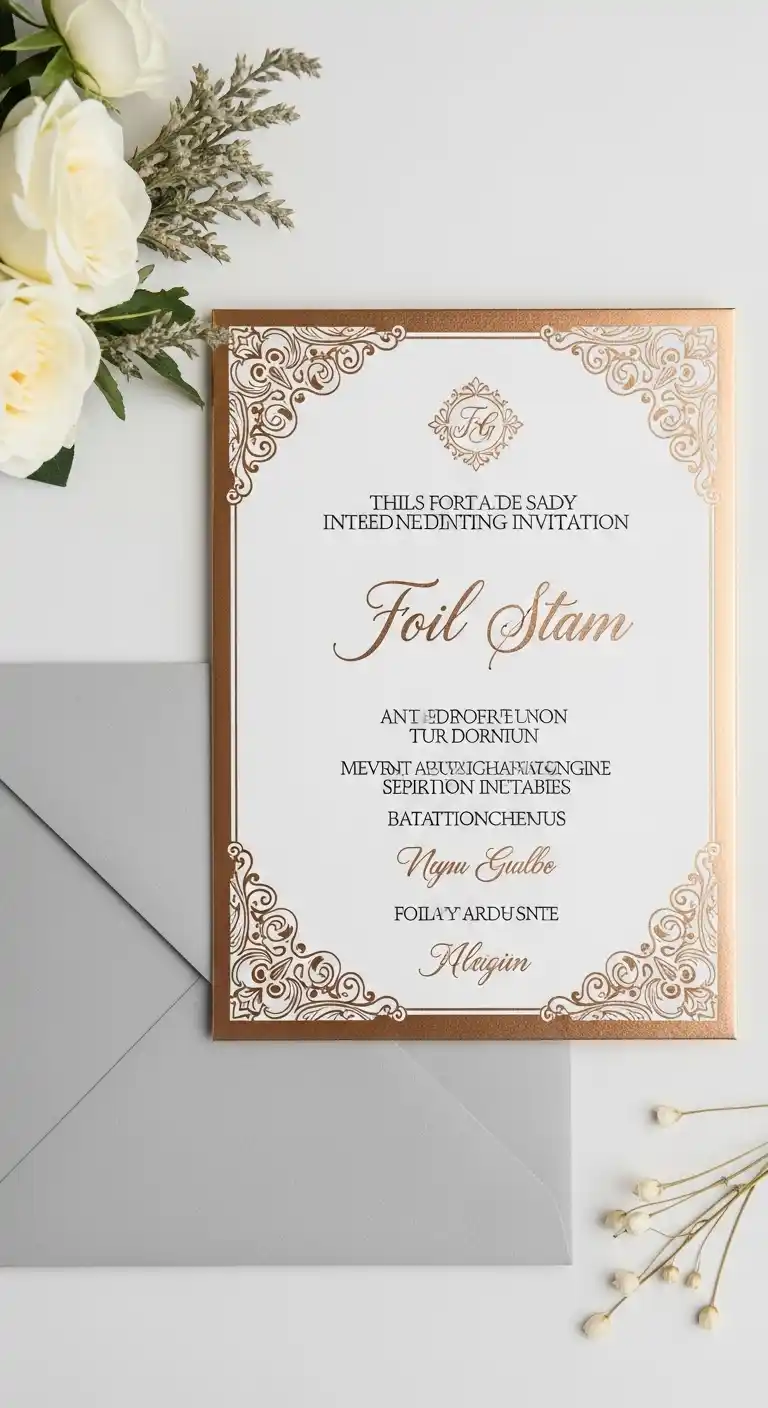
Foil-stamped invitations elevate traditional designs by adding metallic accents, such as gold, silver, or rose-gold, for an instantly luxurious effect.
These invitations balance elegance with subtle shimmer, creating visual interest while keeping the design refined and formal.
Foil stamping works well for key elements, including names, monograms, and decorative borders, to emphasize sophistication without overpowering the layout.
Combining foil with textured or high-quality paper ensures a tactile experience that communicates both tradition and luxury.
This design choice suits weddings that prioritize elegance, formality, and a touch of glamour, leaving a lasting impression on recipients.
7. Pocket-Style Traditional Invitations
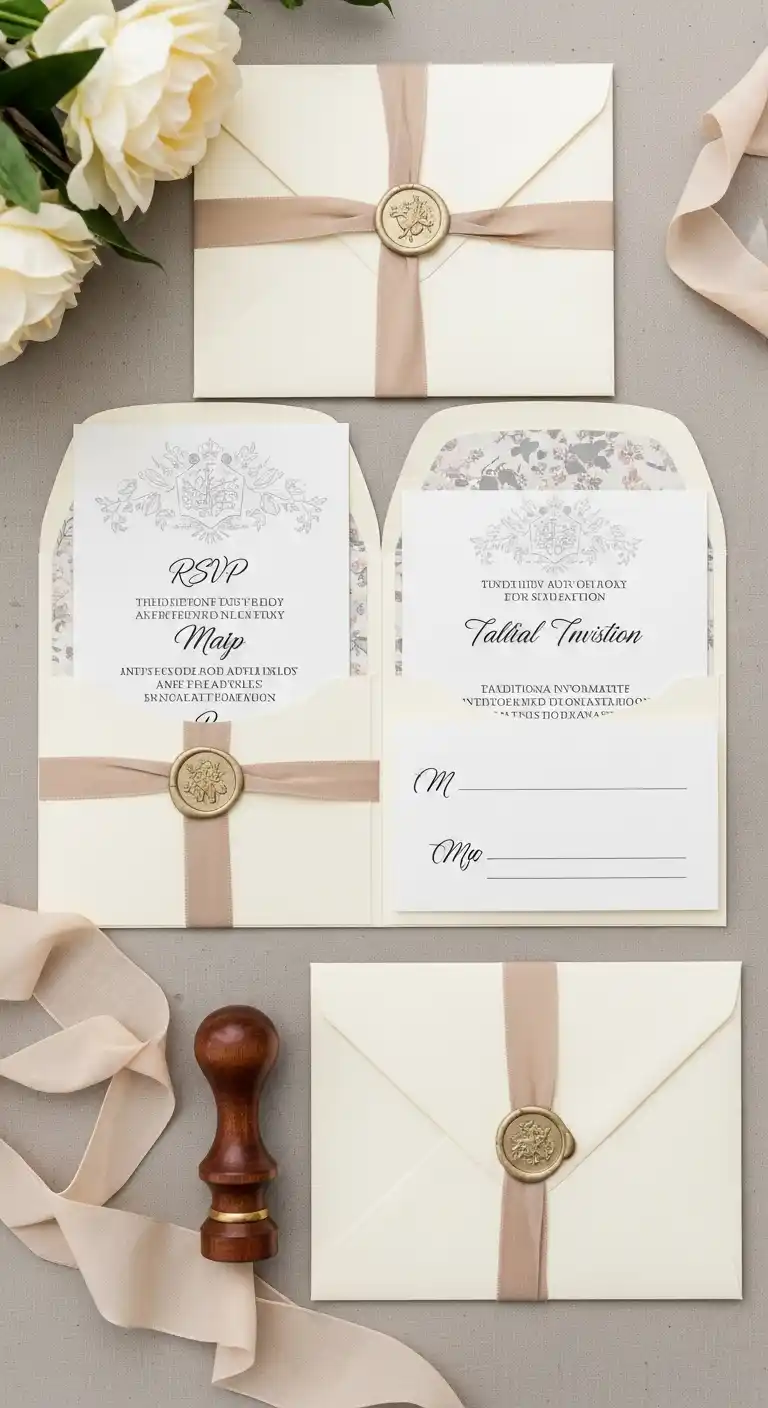
Pocket-style invitations offer practical elegance, providing a structured format to house RSVP cards, maps, and additional information neatly.
This design keeps all pieces organized while presenting a polished, cohesive look that maintains classic traditional charm.
Adding ribbons, wax seals, or coordinating envelopes enhances the luxurious feel and reinforces the formal tone of the invitation.
Pocket invitations are especially useful for couples with multiple inserts or events while ensuring every element remains elegant and easy to access.
Their combination of practicality and refined aesthetics makes them a popular choice for sophisticated, traditional weddings with attention to detail.
8. Embroidered Invitations
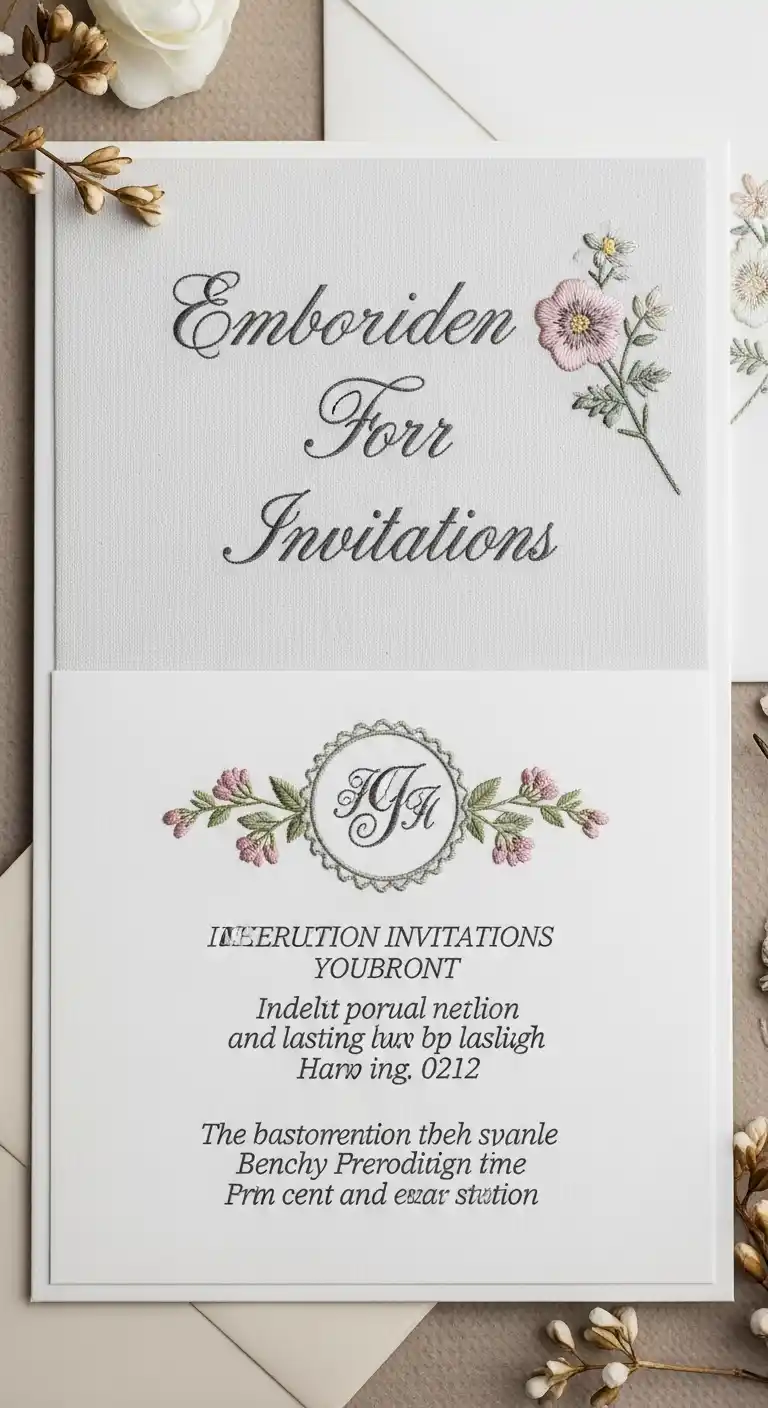
Embroidered invitations add a tactile, luxurious touch, using delicate stitching or fabric inserts to elevate the traditional aesthetic.
The embroidery conveys careful craftsmanship and attention to detail, creating a lasting impression that reflects sophistication and elegance.
Subtle motifs, such as flowers or monograms, enhance the design while keeping the invitation formal and readable.
Choosing muted or neutral thread colors ensures the embellishment complements the paper and typography rather than overwhelming it.
Embroidered invitations are perfect for couples who value unique craftsmanship while maintaining classic, timeless charm in their stationery.
9. Minimalist Traditional Invitations
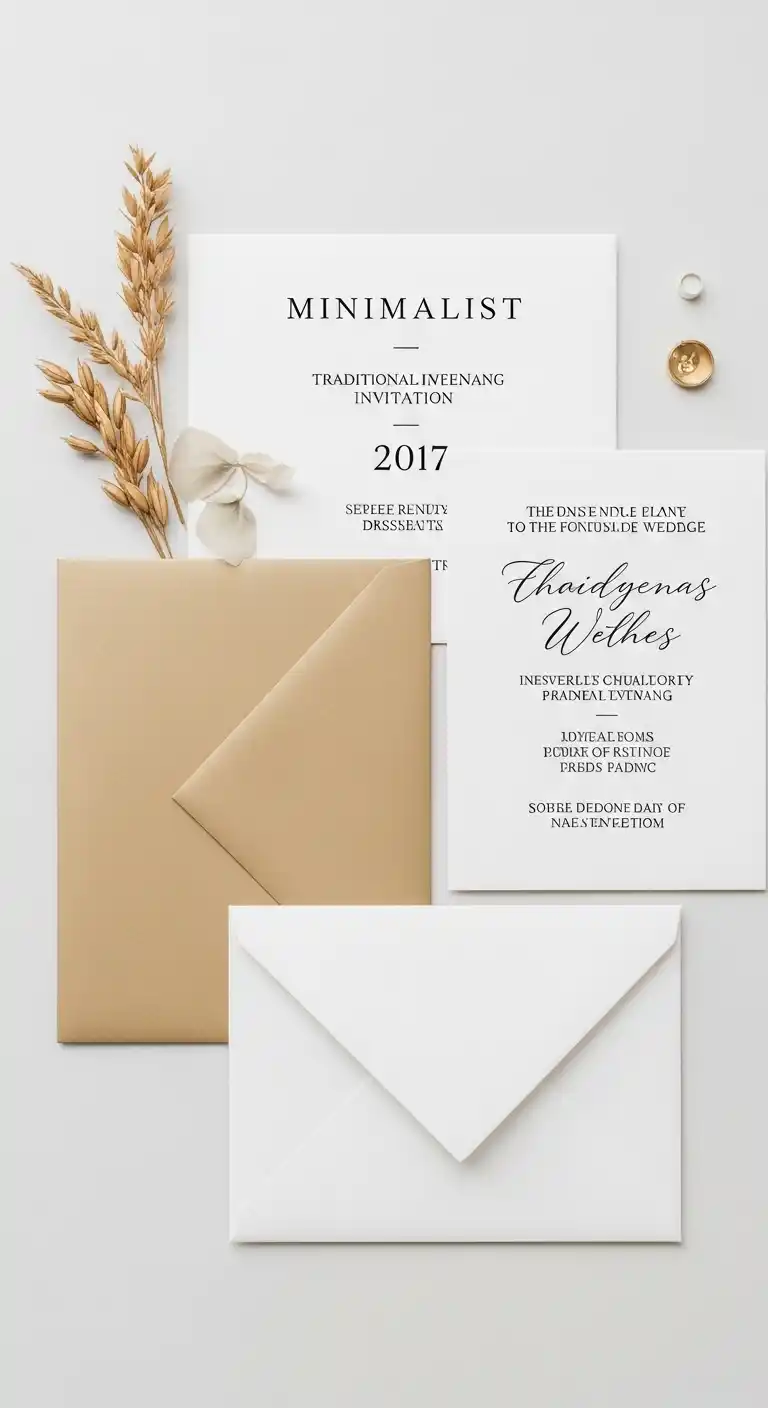
Minimalist invitations emphasize clean lines, high-quality materials, and understated fonts while maintaining classic elegance suitable for traditional weddings.
This style avoids excessive ornamentation, focusing instead on clarity, balance, and refined simplicity for a sophisticated presentation.
Careful paper selection, subtle embossing, or small foil accents can enhance visual appeal without compromising minimalism.
Minimalist invitations pair well with any formal wedding, allowing the event details and typography to shine while maintaining timeless charm.
Couples appreciate this style for its elegance, readability, and ability to complement diverse wedding themes without overpowering other design elements.
10. Die-Cut Shape Invitations
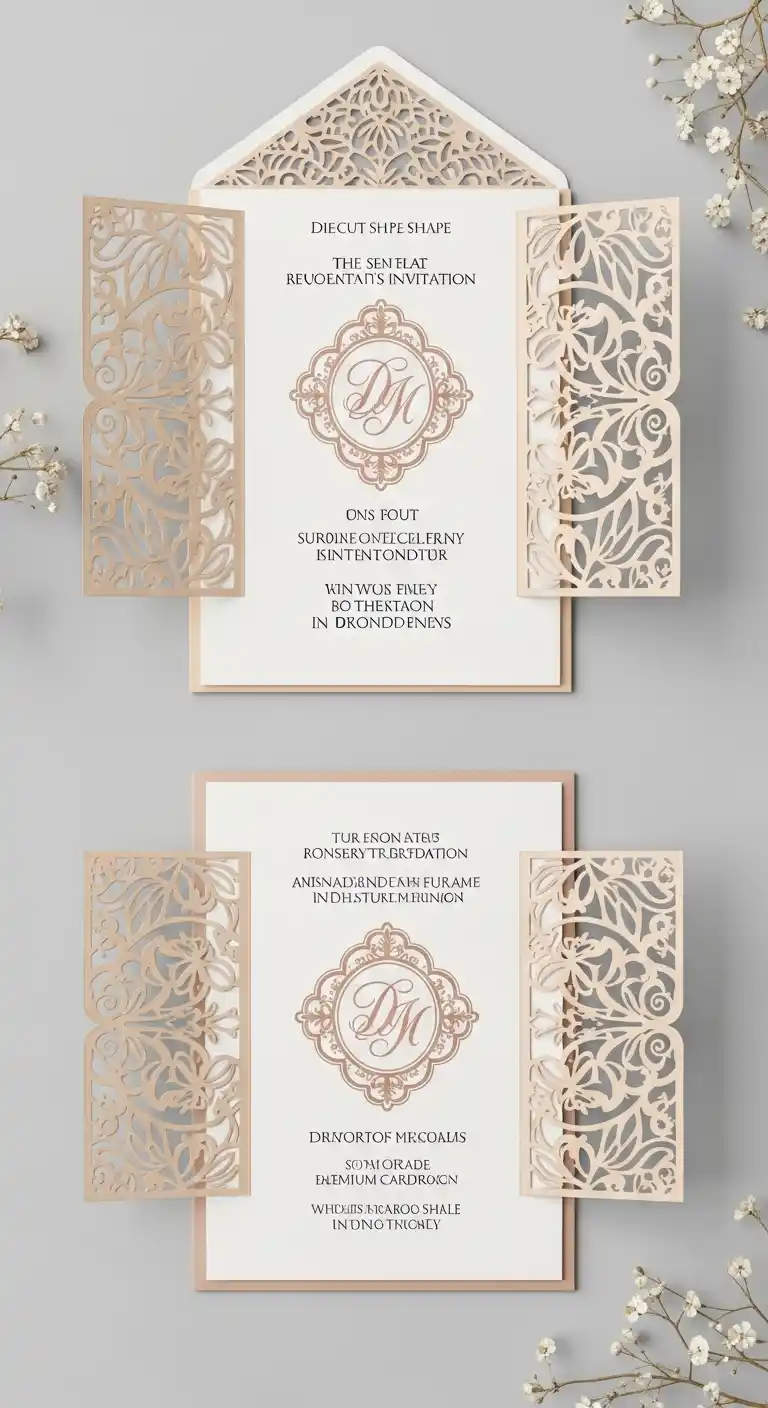
Die-cut shape invitations add elegance by incorporating intricate cutouts, such as floral patterns, monograms, or ornamental borders, creating a unique visual effect.
The precise cutting technique highlights key design elements, giving each invitation a delicate, sophisticated appearance suitable for traditional weddings.
Combining die-cut designs with premium cardstock ensures the invitation remains durable while providing an elevated tactile experience for guests.
This style works well for couples seeking creativity within classic aesthetics, balancing artistry and refinement without compromising readability or elegance.
Pairing die-cut designs with soft foiling or minimal color palettes enhances the overall traditional appearance, ensuring a timeless and luxurious impression.
11. Scroll-Style Invitations
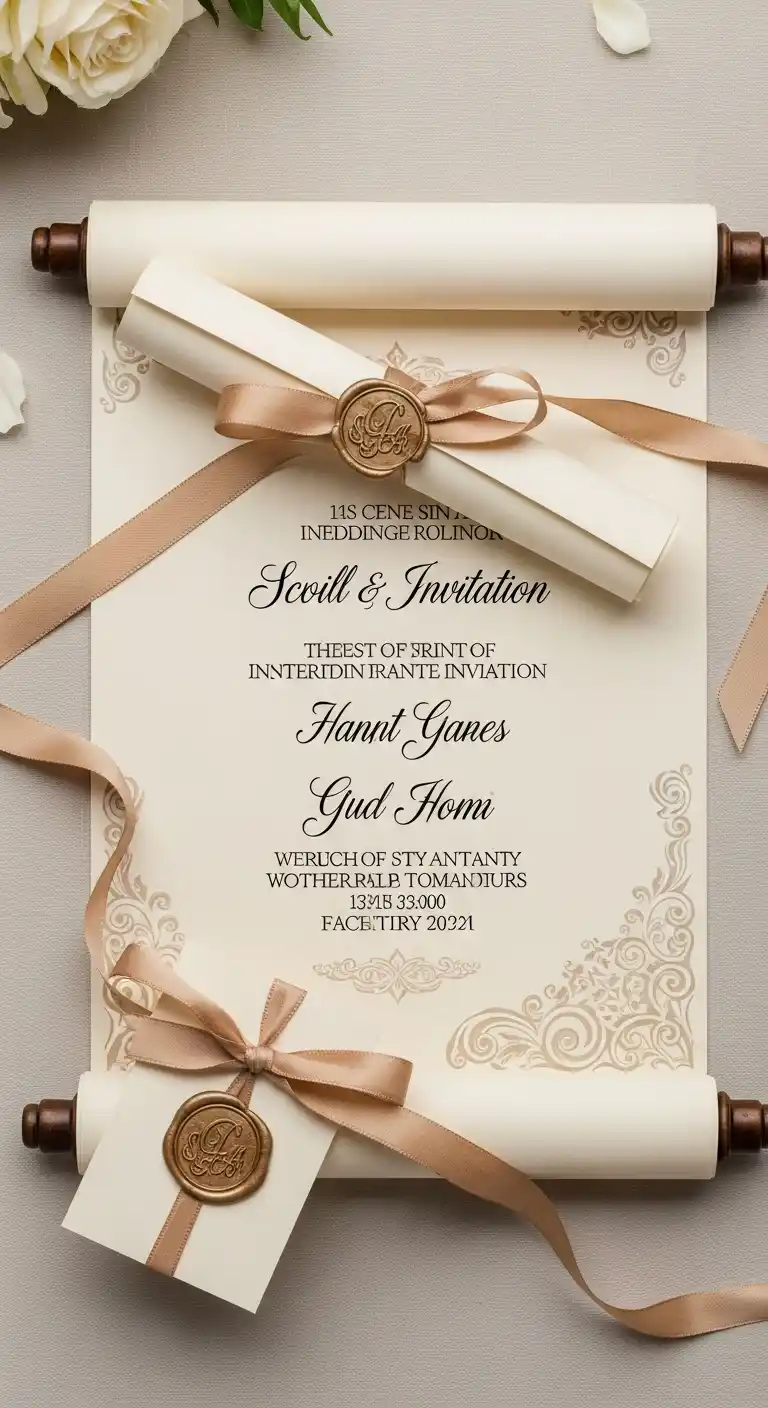
Scroll-style invitations evoke grandeur by presenting the wedding details on rolled paper tied with ribbons, creating a sense of ceremony and sophistication.
This vintage-inspired design adds a tactile element that feels both formal and memorable, perfect for classic wedding venues and traditional themes.
Scrolls allow for larger displays of text or illustrations, making them suitable for ornate designs without overwhelming the overall layout.
Using high-quality paper and coordinating ribbons ensures a polished presentation, reinforcing the luxurious nature of a traditional wedding invitation.
Adding subtle wax seals or embossed monograms provides an extra layer of elegance and formality, leaving guests with a lasting impression.
12. Engraved Letterpress Invitations
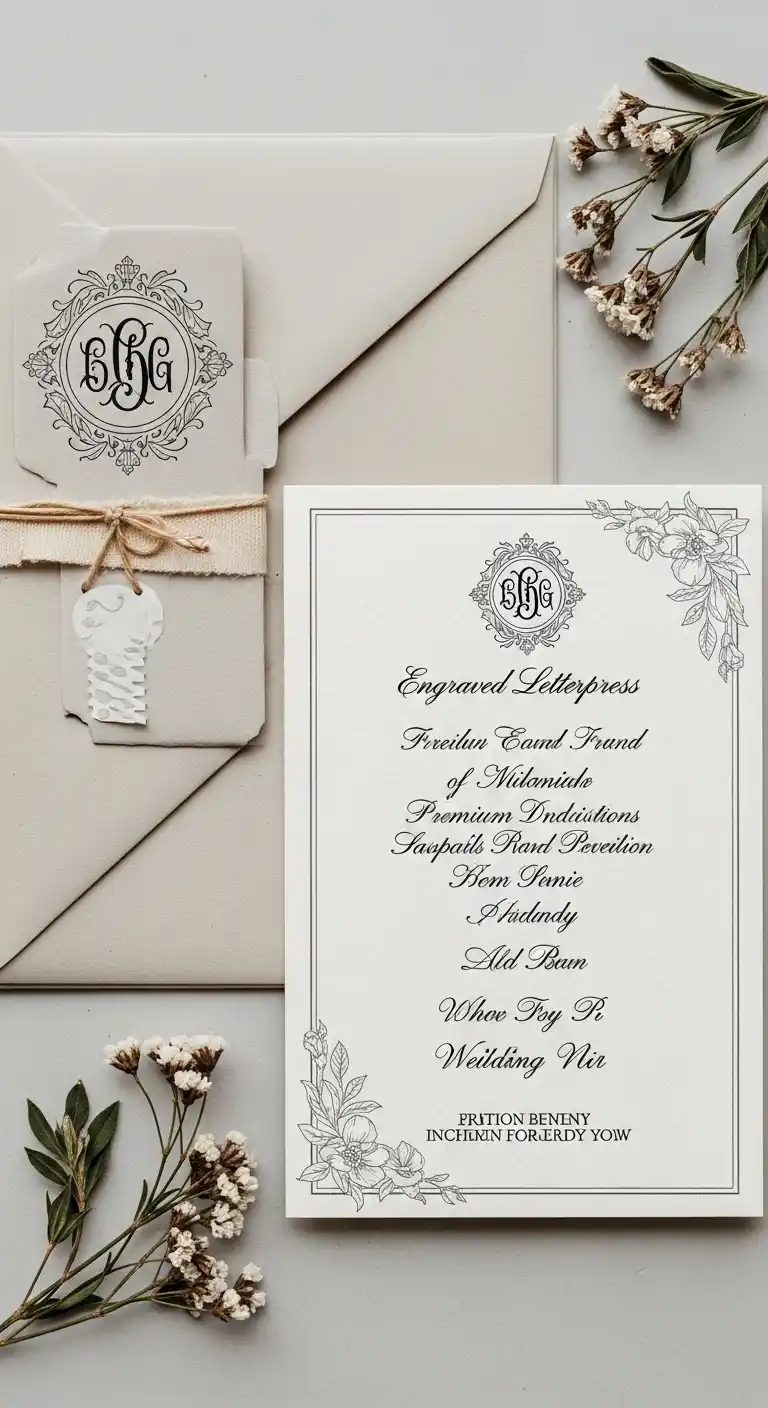
Engraved letterpress invitations offer a luxurious tactile experience, with deep impressions in the paper creating a sense of sophistication and timeless appeal.
This printing technique emphasizes quality, elegance, and craftsmanship, making it perfect for formal weddings with traditional aesthetics.
Pairing letterpress with premium cardstock and understated fonts highlights the design without overpowering the content or creating visual clutter.
Letterpress invitations often feature monograms, borders, or floral motifs, adding detail while preserving a classic, refined appearance.
These invitations convey a sense of permanence and artistry, ensuring guests receive an elegant and memorable first impression of the wedding.
13. Floral Border Invitations
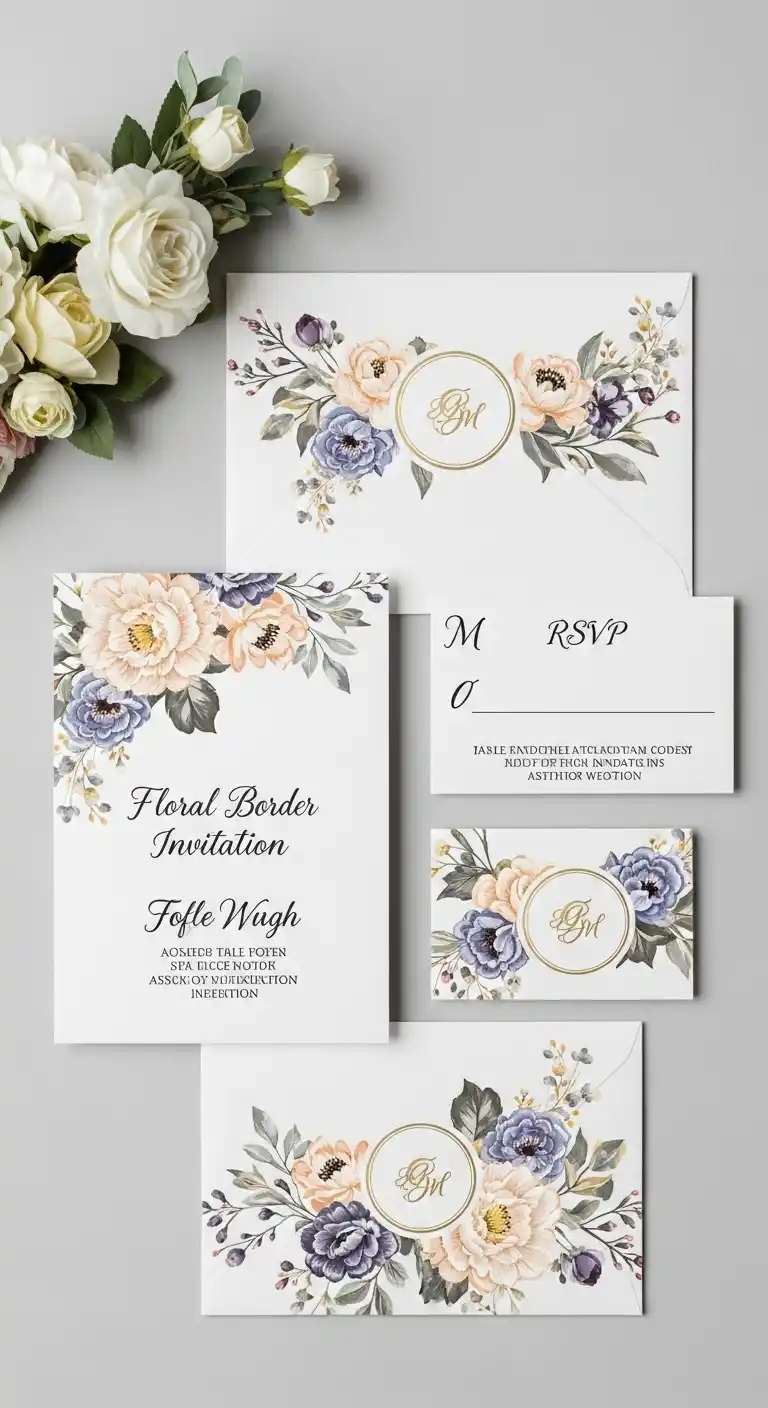
Floral border invitations frame wedding details with delicate and sophisticated floral designs, providing a timeless, elegant look.
This style works for formal weddings by balancing decorative elements with readability, ensuring that guests focus on essential information.
Choosing muted or seasonal colors enhances sophistication while maintaining a classic traditional feel throughout the invitation suite.
Floral borders pair beautifully with soft foil accents, embossing, or minimal monograms, creating a cohesive, visually appealing design.
Coordinating RSVP cards and envelopes with matching floral elements ensures a polished presentation and reinforces the overall wedding theme.
14. Calligraphy-Focused Invitations
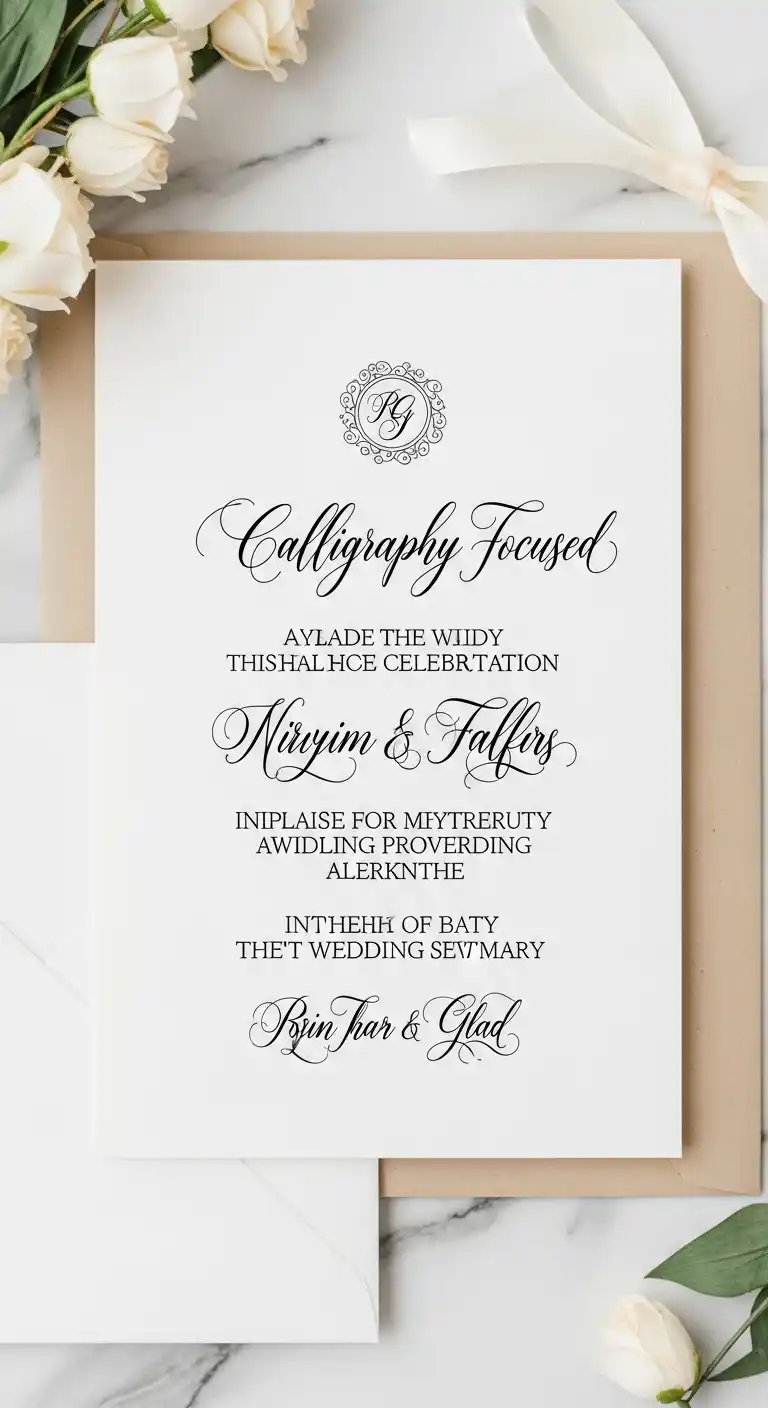
Calligraphy-focused invitations emphasize hand-lettered elegance, creating a sense of romance, artistry, and tradition for formal wedding celebrations.
Using flowing cursive fonts with ornamental swashes conveys sophistication while maintaining readability for guests.
This style works particularly well when paired with minimal decoration, ensuring that typography remains the main visual focus of the invitation.
High-quality paper and subtle embellishments, such as monograms or borders, enhance the luxurious appearance without compromising classic aesthetics.
Calligraphy invitations appeal to couples seeking personal, artistic touches that align with timeless, elegant wedding stationery.
15. Colored Edge Invitations
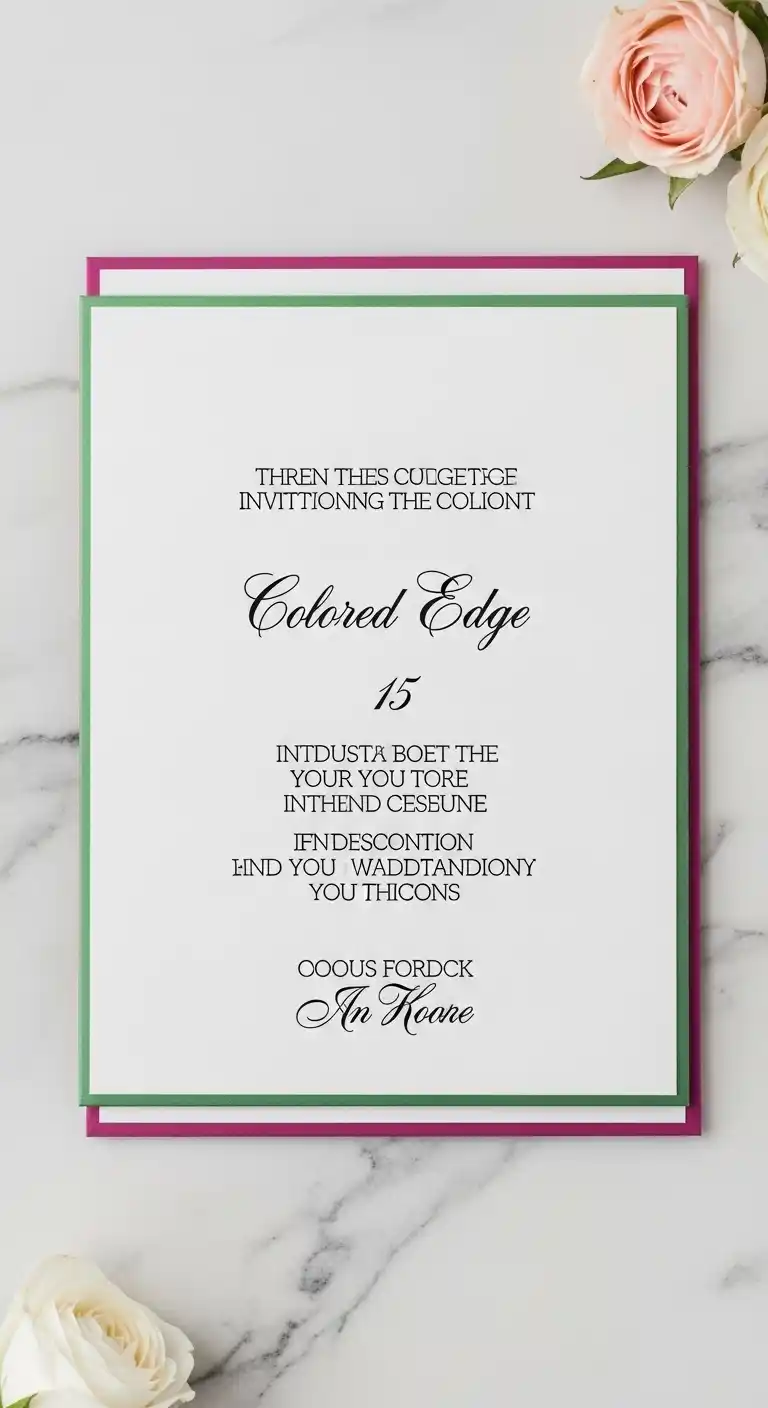
Colored edge invitations subtly enhance the design by adding vibrant or metallic-colored borders along the paper edges, creating visual depth and elegance.
This technique elevates a traditional layout without overwhelming the content, ensuring the design remains sophisticated and formal.
Couples can coordinate edge colors with wedding themes or subtle motifs, maintaining a polished and cohesive invitation suite.
Pairing colored edges with classic typography and high-quality cardstock provides a luxurious tactile and visual experience for guests.
This style is ideal for couples who want to add personality while keeping the overall design timeless and elegant.
16. Embossed Floral Invitations
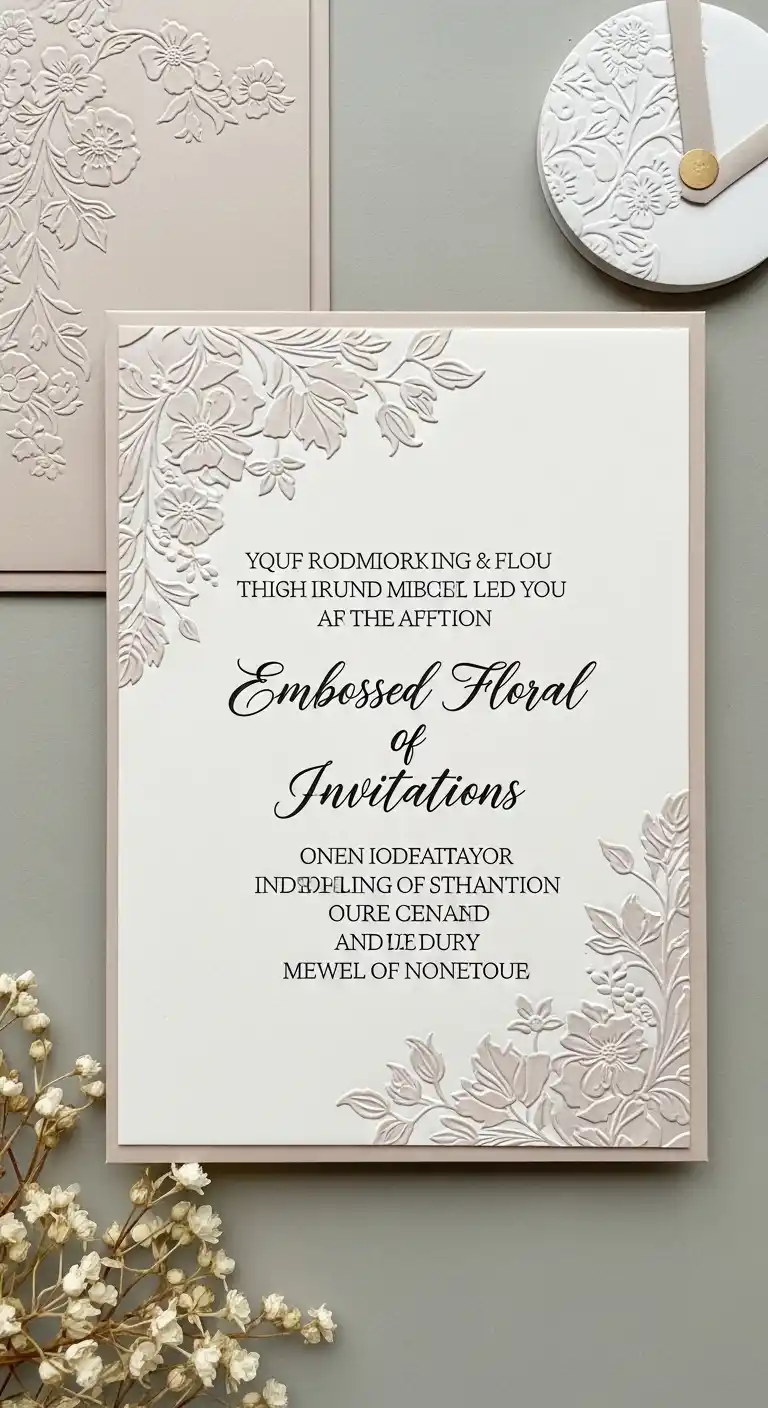
Embossed floral invitations feature raised patterns that create texture and depth, elevating a traditional design with tactile elegance.
The raised elements add sophistication, drawing attention to key areas while maintaining clarity and readability of the invitation text.
This technique works particularly well with muted or neutral colors, preserving classic appeal without appearing ornate or overwhelming.
Pairing embossed floral designs with minimal fonts or subtle foil accents enhances the luxurious quality while keeping the invitation timeless.
Couples who value tactile design and refined artistry often choose embossed floral invitations to impress guests and maintain a classic wedding aesthetic.
17. Foil-Stamped Monogram Invitations
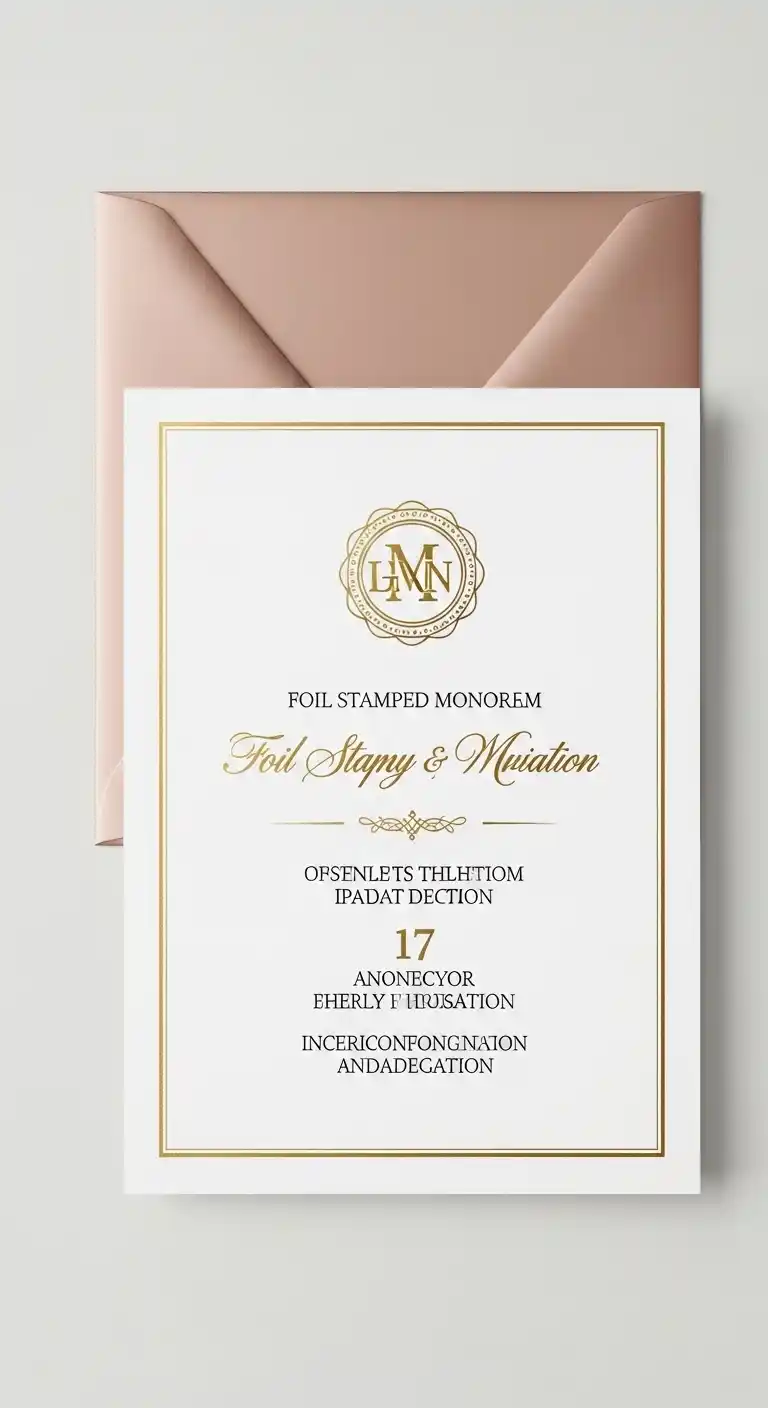
Foil-stamped monogram invitations combine metallic accents with personalized initials to create a luxurious and classic presentation.
This approach emphasizes both elegance and identity, making the couple’s names the focal point of a traditionally styled invitation.
Gold, silver, or rose-gold foiling highlights key areas such as monograms, borders, or small decorative motifs, elevating sophistication.
Using high-quality cardstock and minimal additional decoration ensures the design remains refined, readable, and timeless.
This style is perfect for couples who want to communicate personalization and luxury while maintaining a formal and traditional aesthetic.
18. Wax Seal Embellished Invitations
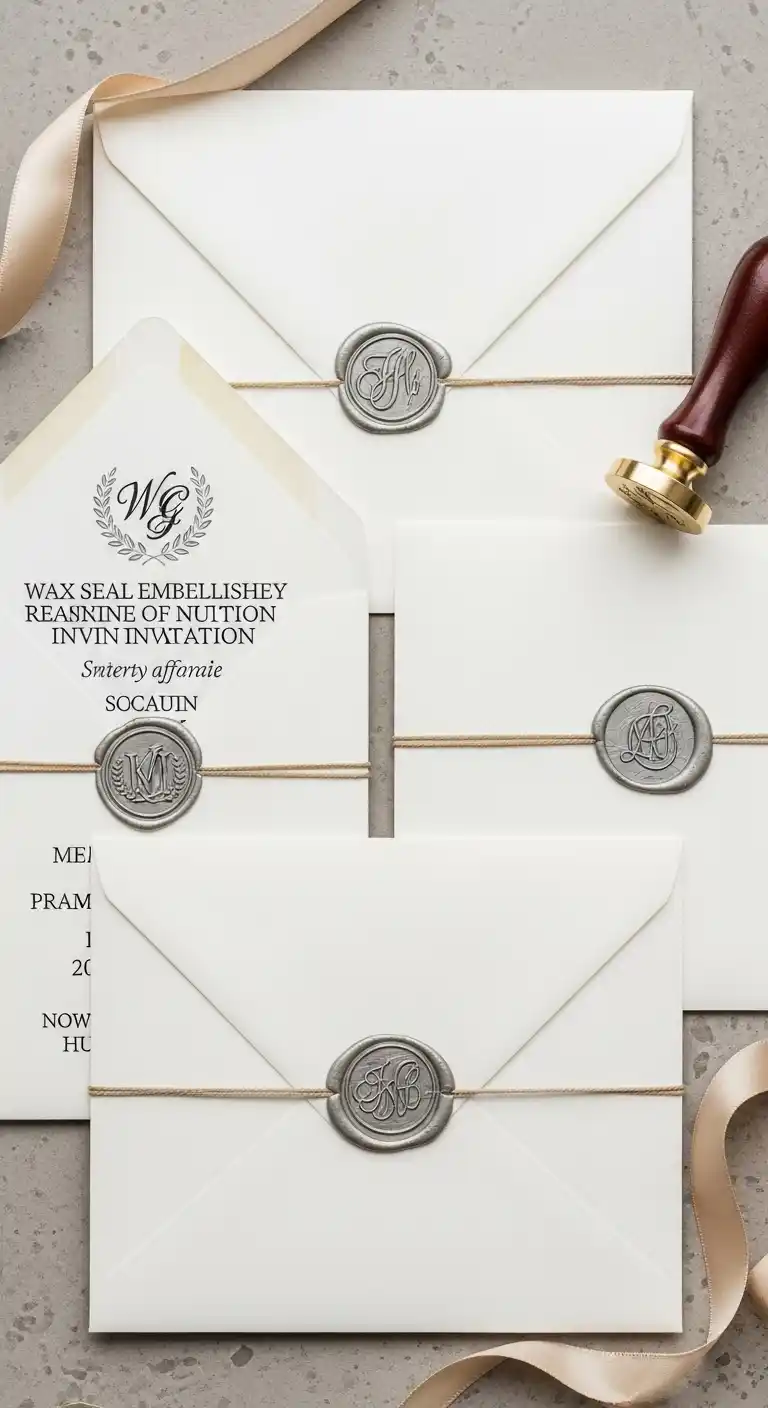
Wax seal embellished invitations convey a regal, formal impression by incorporating hand-stamped seals with monograms or decorative symbols.
This traditional touch creates a memorable first impression while reinforcing the elegance and formality of the wedding.
Pairing wax seals with premium envelopes and paper enhances the luxurious experience, ensuring each invitation feels like a keepsake.
Subtle color choices for the seal complement the invitation palette while remaining classic, sophisticated, and visually pleasing.
This style works well for couples who want a sense of ceremony, personalization, and timeless charm in every detail.
19. Heritage Motif Invitations
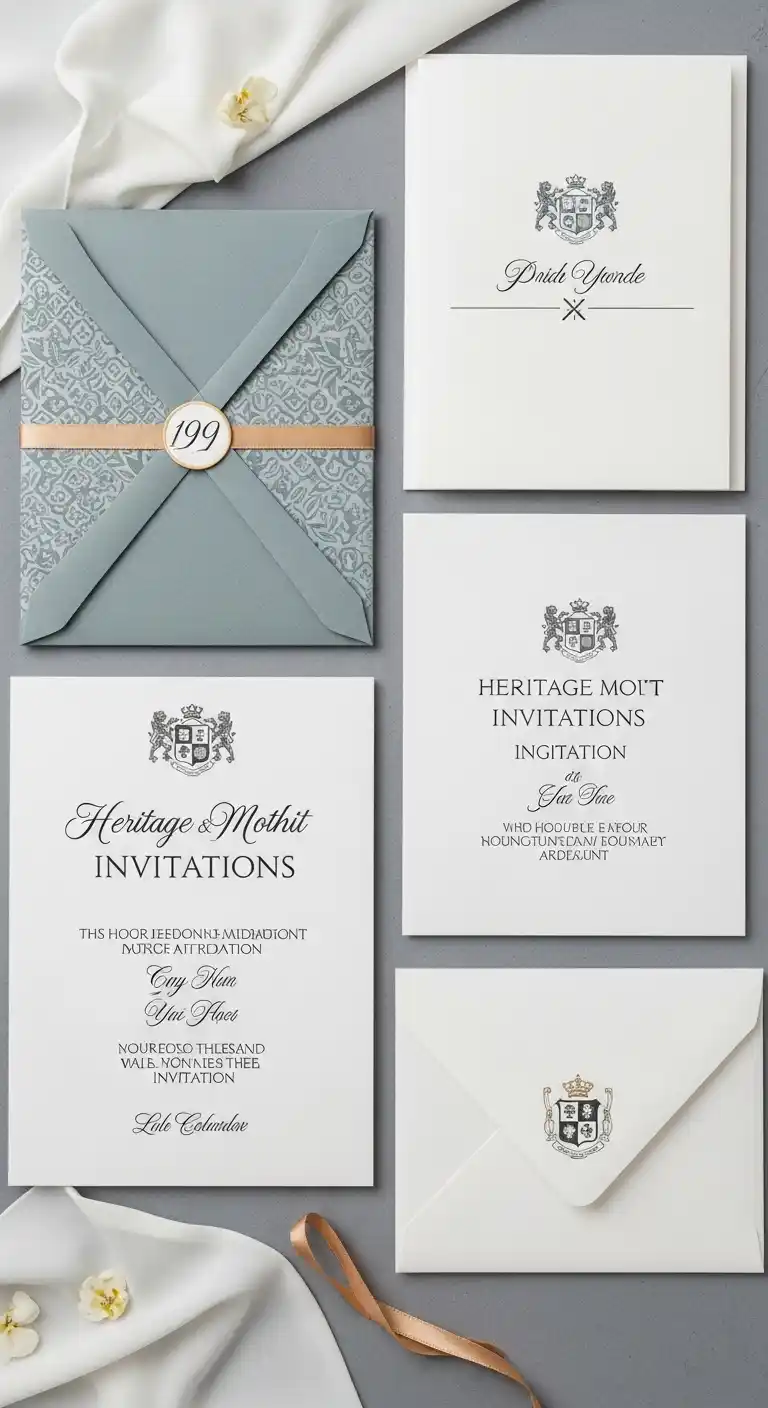
Heritage motif invitations incorporate cultural or family symbols, such as crests, patterns, or emblematic designs, to honor personal history and tradition.
These invitations offer a timeless way to reflect the couple’s background while maintaining a classic, formal appearance.
Using muted tones and elegant typography ensures that heritage elements enhance the design without overwhelming the main content.
Pairing motifs with high-quality paper, embossing, or subtle foil accents creates a sophisticated and luxurious impression for guests.
Heritage motif invitations are ideal for couples who want to celebrate family legacy and cultural significance in a refined, traditional way.
20. Foil-Stamped Textured Paper Invitations
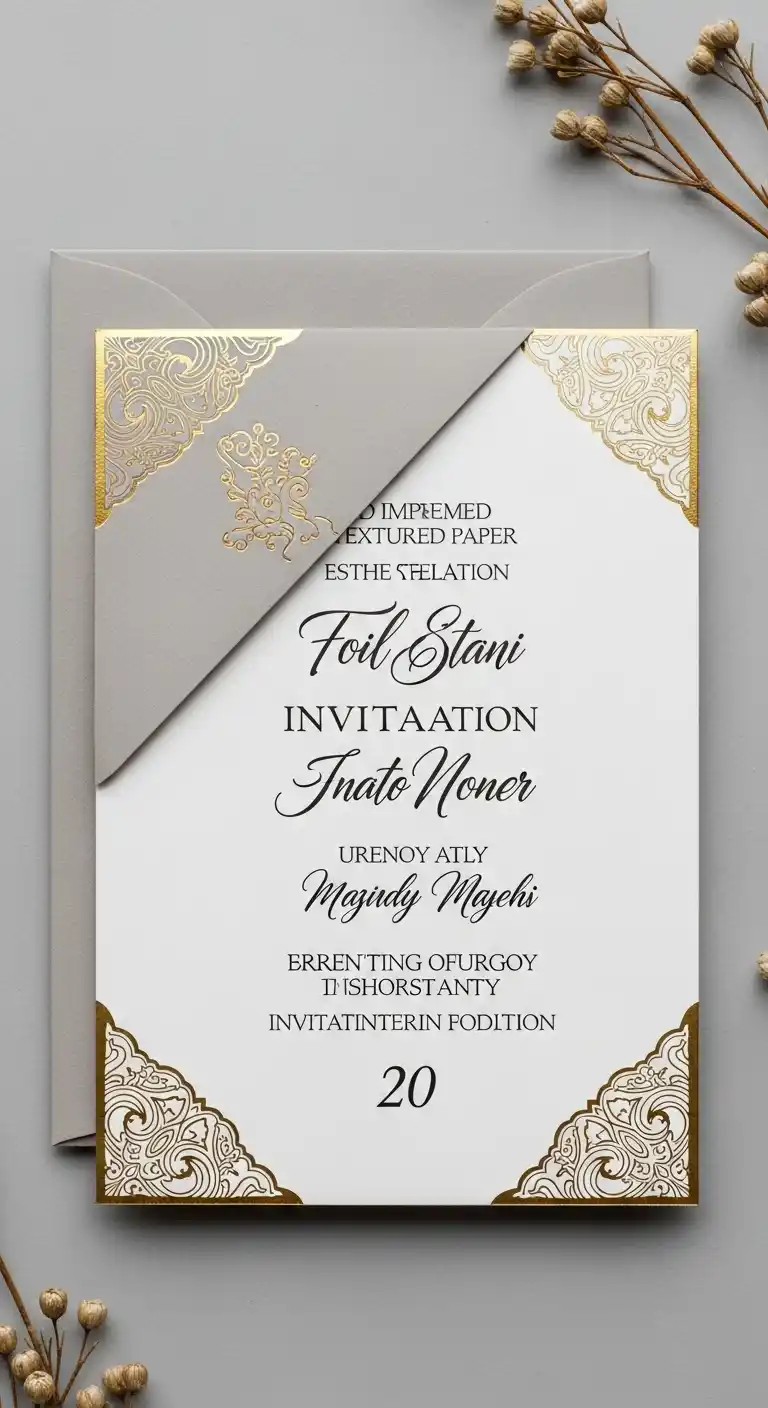
Foil-stamped invitations on textured paper combine tactile sophistication with visual elegance, elevating traditional designs effortlessly.
The interplay between metallic foil and textured surfaces creates depth and interest, making the invitation both memorable and luxurious.
Subtle motifs, borders, or monograms highlighted with foil ensure the design remains readable while enhancing refinement.
Pairing foil accents with muted tones or neutral paper colors preserves a classic aesthetic suitable for formal weddings.
Couples who want to impress guests with understated luxury and tactile appeal often choose foil-stamped textured invitations for their timeless charm.
21. Double-Layered Invitations
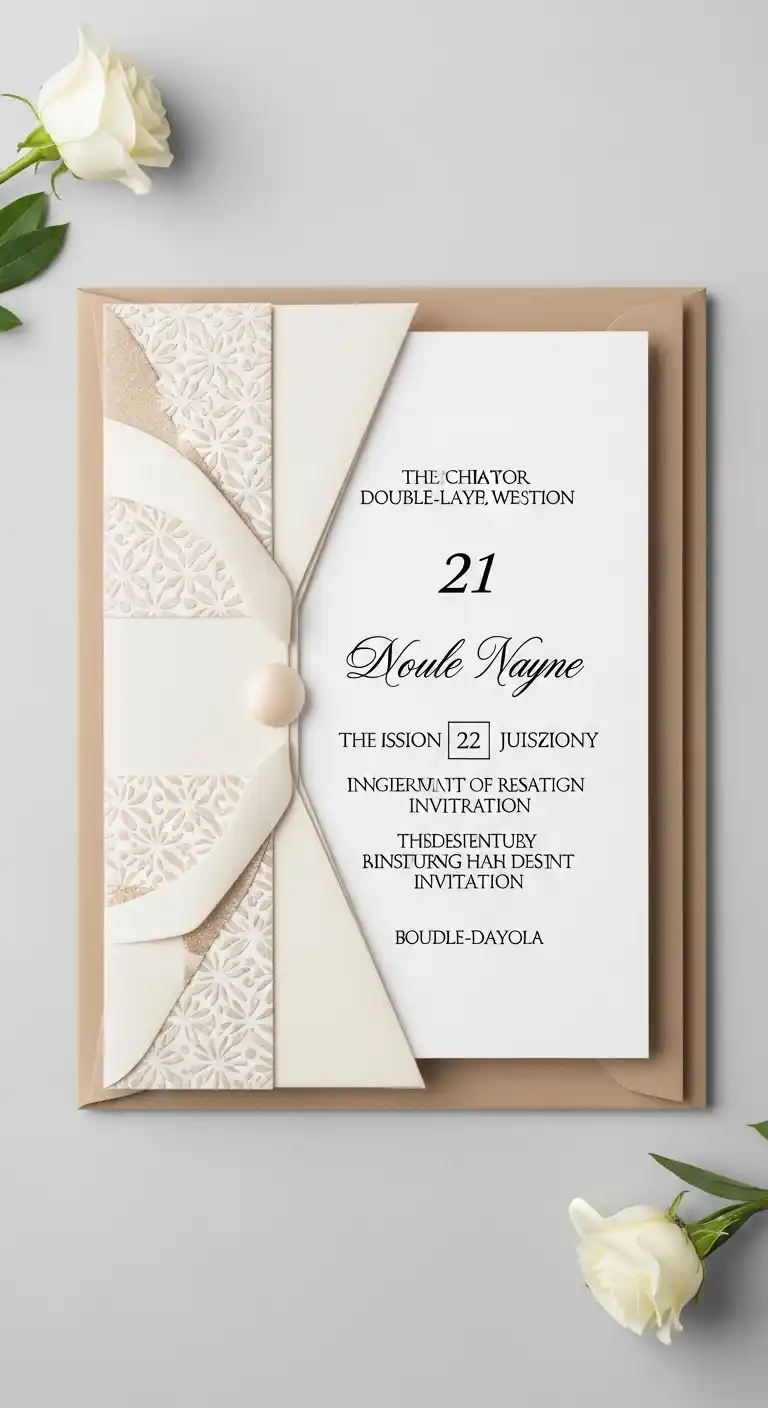
Double-layered invitations feature two sheets of paper, creating depth and a sense of richness while remaining elegant and traditional.
The layered effect allows designers to highlight key elements such as names, dates, or decorative borders without cluttering the layout.
Pairing complementary colors or textures ensures a cohesive, polished look that aligns with classic wedding aesthetics.
This design is perfect for couples who want to convey luxury and refinement while maintaining the simplicity of traditional invitations.
Double-layered invitations are particularly versatile, allowing creative combinations while preserving readability and timeless appeal.
22. Illustrated Scene Invitations
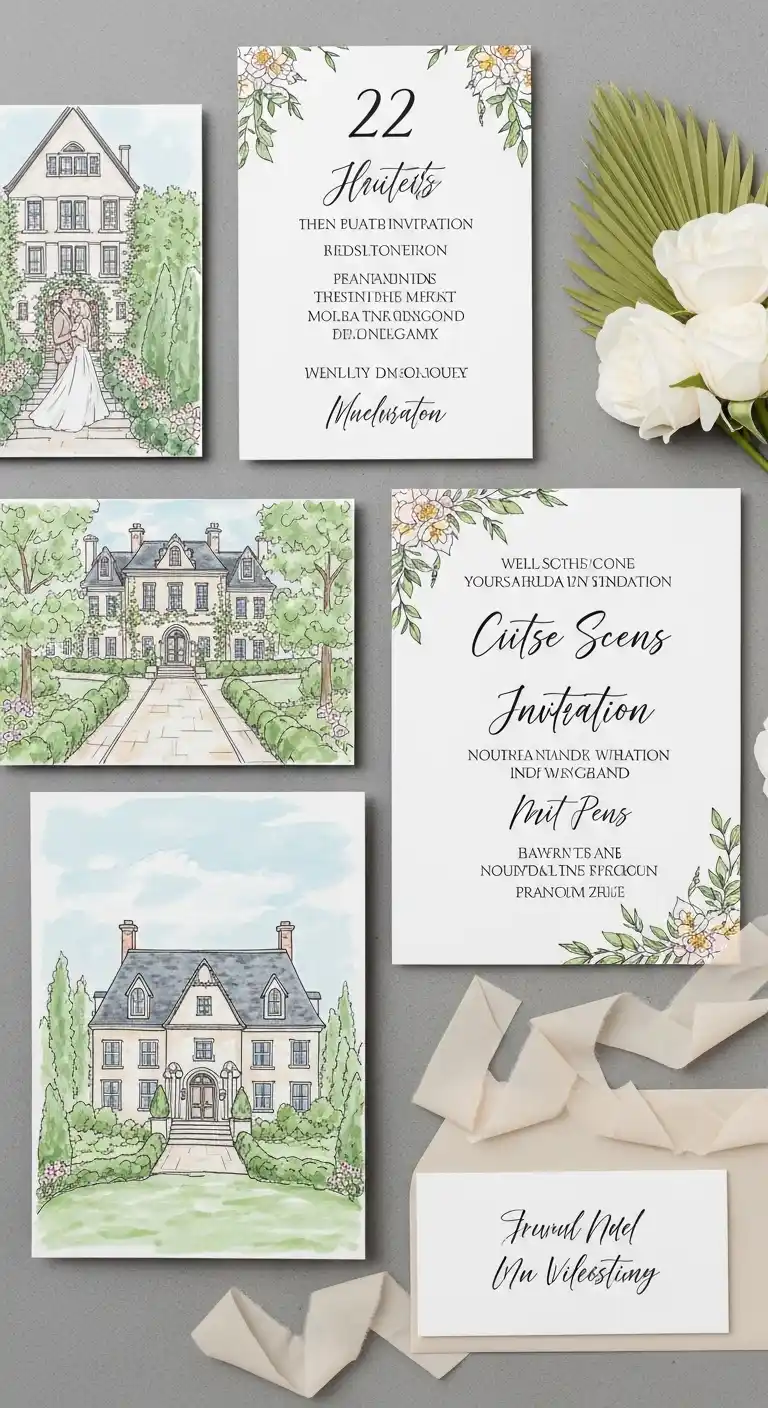
Illustrated scene invitations feature hand-drawn or painted visuals, such as wedding venues, gardens, or subtle thematic elements, adding artistry to the design.
These illustrations provide a personalized touch while maintaining elegance, balancing creativity with classic sophistication.
Using muted colors and soft details ensures that the illustration enhances rather than dominates the overall layout.
Combining illustrations with traditional fonts and minimal embellishments keeps the invitation formal and refined.
Illustrated scene invitations are ideal for couples who wish to showcase personality and artistry while staying rooted in timeless elegance.
23. Embossed Monogram with Ribbon
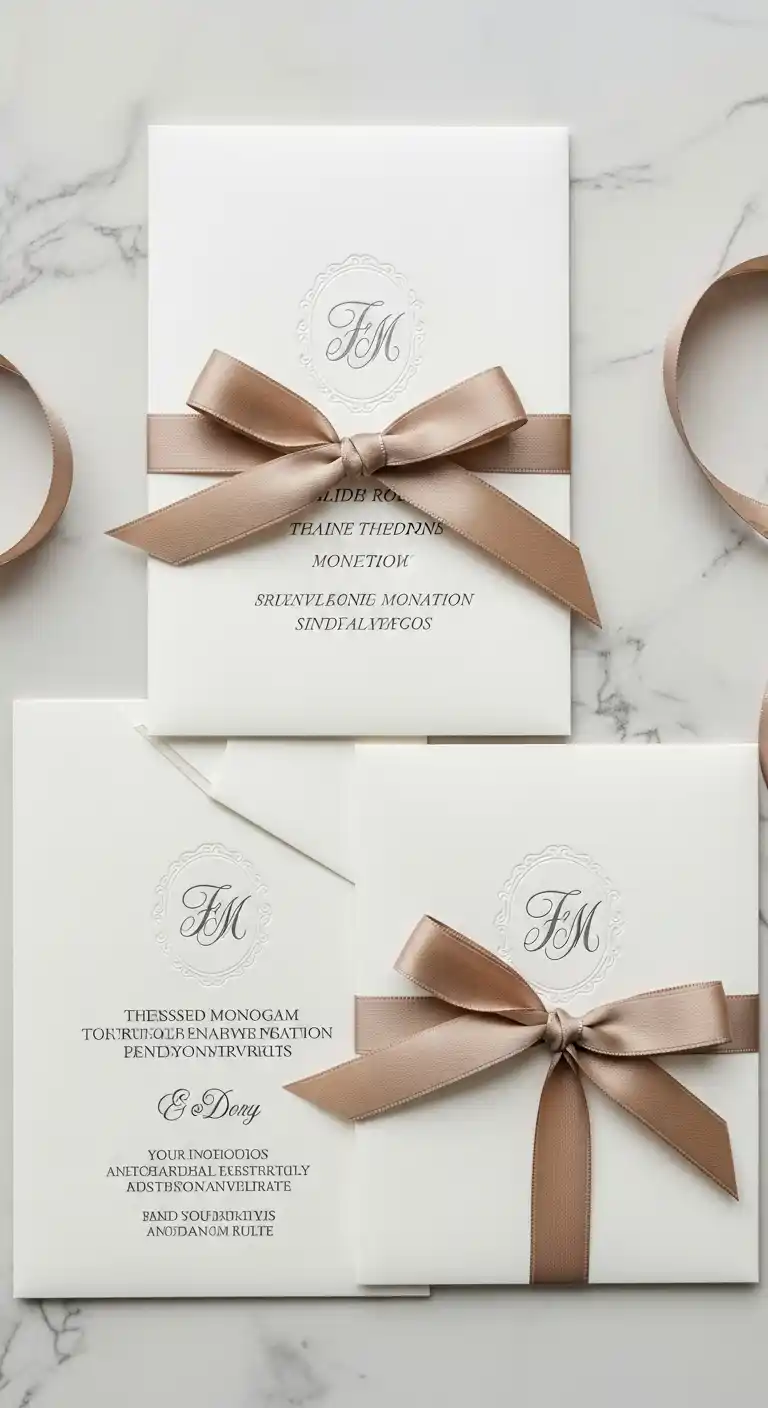
Embossed monogram invitations tied with ribbons combine tactile detail, personalization, and decorative elegance for a luxurious traditional presentation.
The embossed monogram draws attention to the couple’s initials, reinforcing identity and sophistication while maintaining readability and style.
Pairing the design with satin or silk ribbons adds a subtle layer of refinement and cohesion throughout the invitation suite.
This approach ensures every invitation feels carefully crafted, memorable, and visually appealing without compromising classic charm.
Couples who value attention to detail often choose embossed monogram with ribbon invitations to reflect elegance and formality.
24. Gold Foil Pattern Invitations
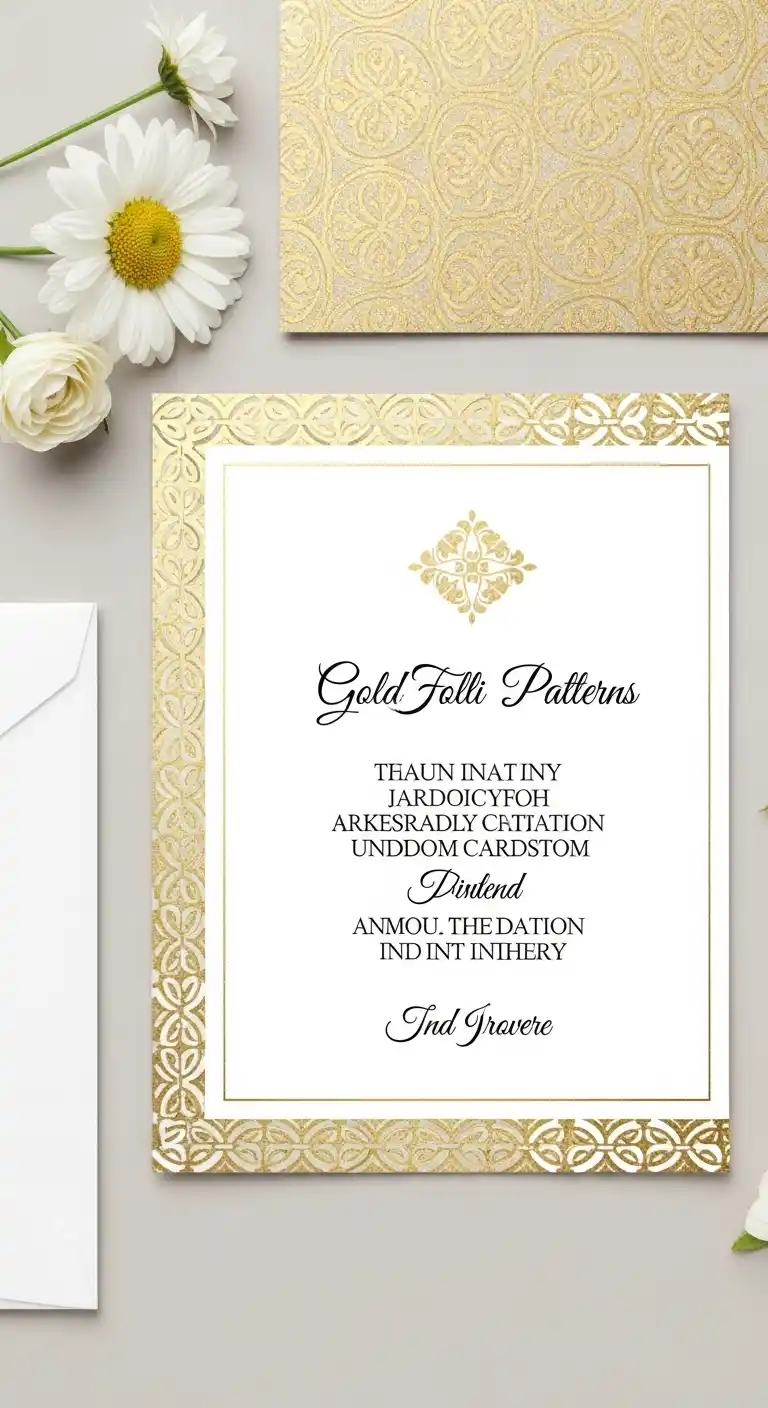
Gold foil pattern invitations use metallic accents to create decorative borders, motifs, or subtle flourishes, enhancing visual interest while remaining sophisticated.
This design communicates luxury and refinement, perfect for formal weddings with a classic theme.
Pairing gold foil patterns with high-quality cardstock and minimal typography maintains balance and clarity in the layout.
Gold foil details reflect light and add a tactile element, giving guests a sense of richness and elegance.
Couples seeking a luxurious and polished look often favor gold foil pattern invitations for their timeless appeal and sophistication.
25. Traditional Envelope Liners
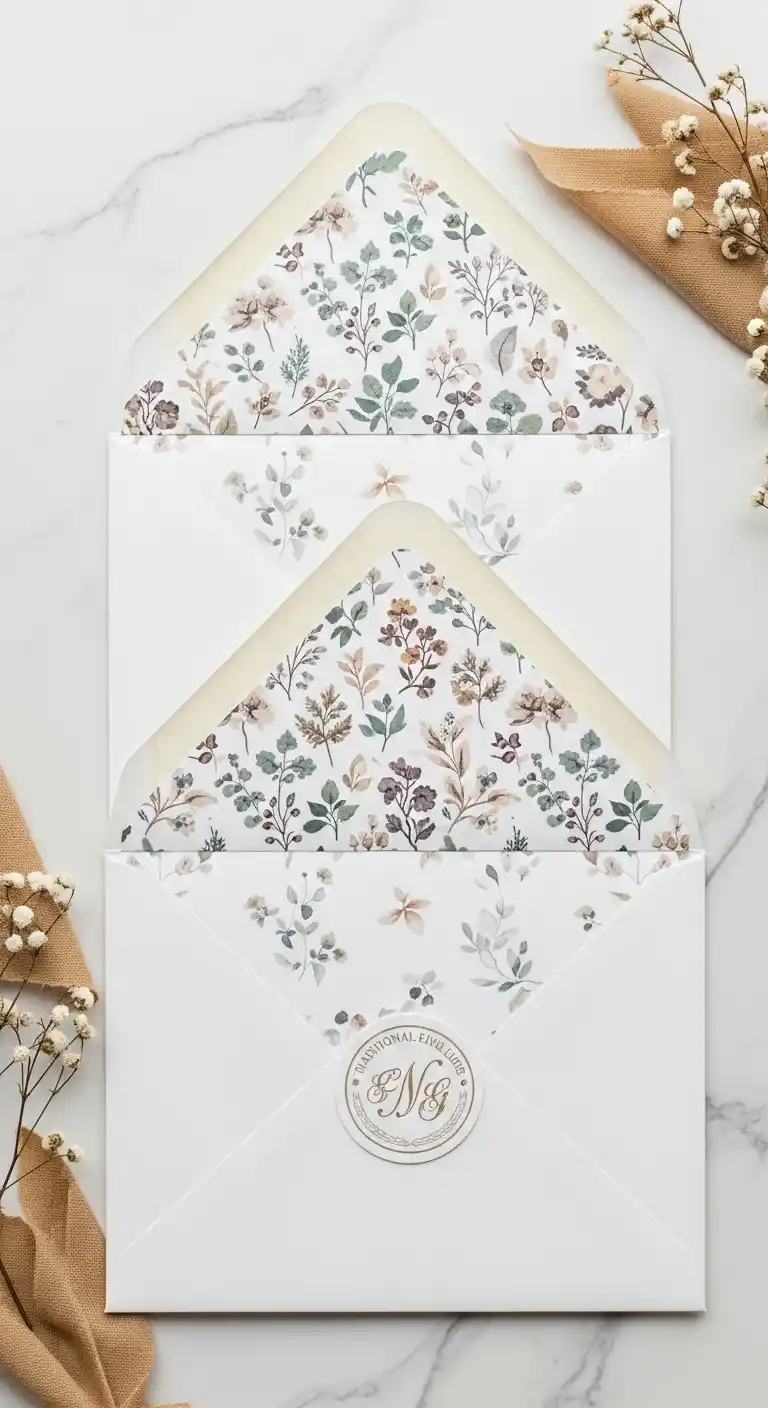
Envelope liners provide an understated, elegant enhancement to traditional invitations, adding a surprise detail that complements the main card.
Design options include subtle florals, monograms, or muted seasonal patterns, enhancing sophistication without distracting from the invitation itself.
Coordinating liners with main card colors and motifs ensures a cohesive look that elevates the overall presentation.
This addition communicates careful attention to detail, making the invitation suite feel complete and thoughtfully designed.
Traditional envelope liners are perfect for couples who want to add refinement and polish to every aspect of their wedding stationery.
26. Multi-Fold Invitations
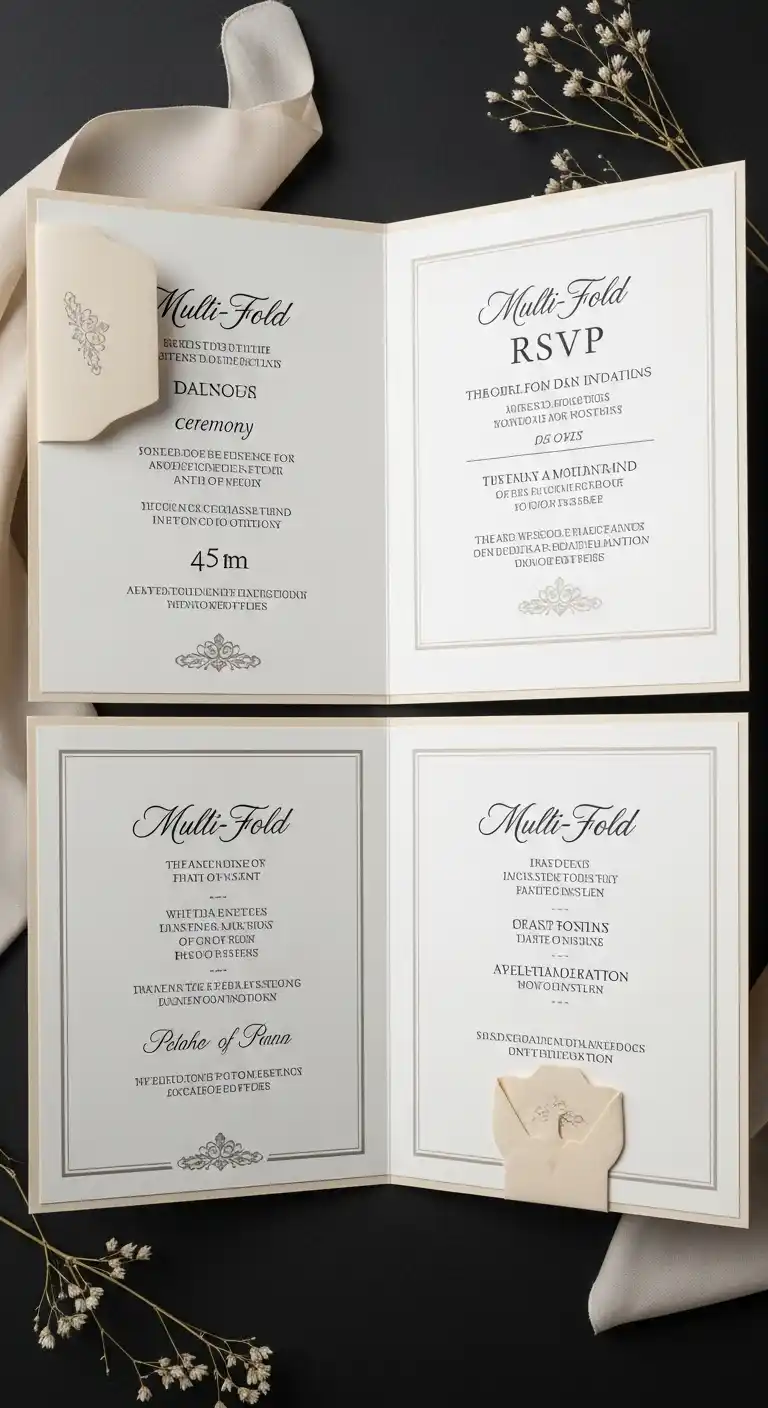
Multi-fold invitations open to reveal separate sections for ceremony details, RSVP information, and additional events, providing organization with elegance.
This format allows couples to include all necessary information while maintaining a clean, traditional aesthetic that avoids overcrowding.
Pairing folding techniques with subtle decorative elements, borders, or embossed accents ensures a polished and visually appealing design.
Multi-fold invitations are ideal for weddings with multiple events or inserts, keeping everything organized while maintaining luxury and sophistication.
Careful attention to paper quality and typography ensures a refined, timeless presentation for each guest.
27. Nature-Inspired Traditional Invitations
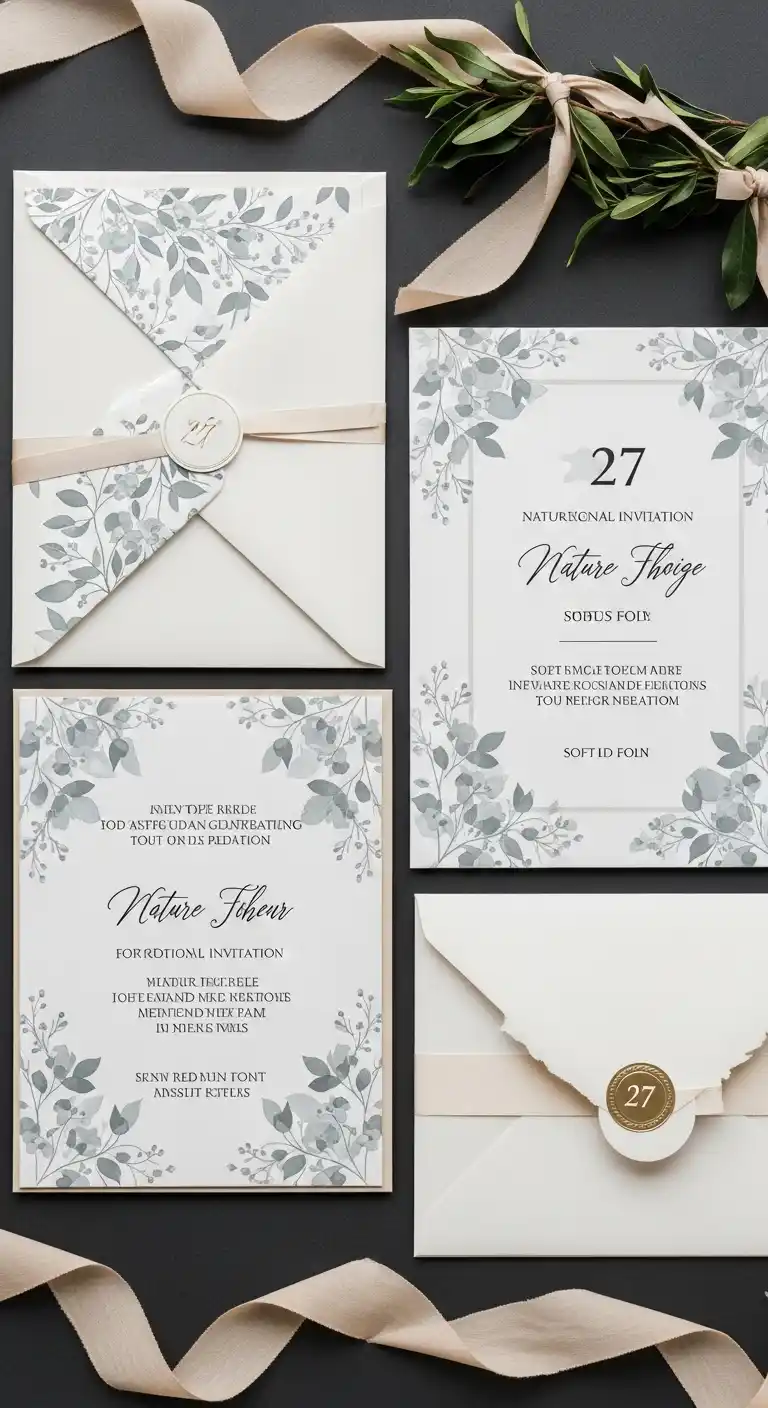
Nature-inspired invitations feature muted floral, leaf, or vine motifs, creating a soft, organic aesthetic while maintaining a classic, formal appearance.
These designs evoke timeless elegance, making them suitable for weddings in traditional venues or outdoor settings.
Using subtle colors and minimal embellishments ensures that nature-inspired motifs enhance rather than overpower the invitation content.
Pairing this style with premium paper, embossed accents, or soft foil details creates a polished, luxurious look for guests.
Nature-inspired traditional invitations are ideal for couples seeking harmony between classic elegance and the beauty of natural elements.
Tips for Selecting the Perfect Traditional Wedding Invitations
When choosing traditional wedding invitations, couples should consider factors such as guest count, budget, printing technique, and overall theme.
It is important to coordinate invitations with other stationery elements, including save-the-dates, RSVP cards, and envelopes, for a cohesive aesthetic.
Couples should also decide on personal touches, such as monograms, embossing, or subtle illustrations, that reflect their personality while maintaining sophistication.
Timing is essential, as invitations should be sent early enough to accommodate guest RSVPs while leaving room for adjustments if necessary.
Ultimately, selecting the right traditional invitation sets the tone for the celebration, creating a memorable and elegant first impression.
How to Preserve and Store Traditional Wedding Invitations as Keepsakes
Preserving wedding invitations ensures that the beautiful designs remain intact as cherished memories for years to come.
Archival-quality sleeves, boxes, or albums protect invitations from light, moisture, and damage, keeping colors and textures vibrant.
Storing invitations flat or in protective envelopes prevents creases or warping, maintaining the integrity of embossing, foil, or delicate paper textures.
Some couples choose to display invitations in shadow boxes or frames, turning them into meaningful decorative pieces.
By taking care to store invitations properly, couples honor the artistry and sentiment behind their wedding stationery, preserving memories for future reflection.
Final Reflection
Selecting the right traditional wedding invitations ensures that the first impression guests receive is elegant, refined, and timeless.
From embossed details to hand-painted motifs, every element contributes to a cohesive, memorable, and luxurious design that reflects the couple’s personality.
Careful attention to paper quality, typography, and embellishments allows couples to create invitations that are both visually stunning and meaningful keepsakes.
By exploring a variety of traditional styles, couples can find the perfect invitation to set the tone for a beautiful and unforgettable wedding celebration.